

When your AC is struggling to cool the house during intense September heat, you’re experiencing one of the most common late-summer HVAC challenges like AC blowing hot air or struggling to cool the house that affects countless homeowners. Understanding why your AC is struggling to cool the house becomes essential for restoring comfort and preventing costly breakdowns.
This comprehensive guide examines 9 specific causes and provides practical solutions to get your cooling system back on track. From DIY troubleshooting to professional service recommendations, this analysis helps homeowners navigate late-summer cooling challenges effectively.
Let’s dive right in.
9 Reasons Why Your AC Is Struggling to Cool the House in Late Summer
1. Extreme Outdoor Temperatures Are the Common Reasons
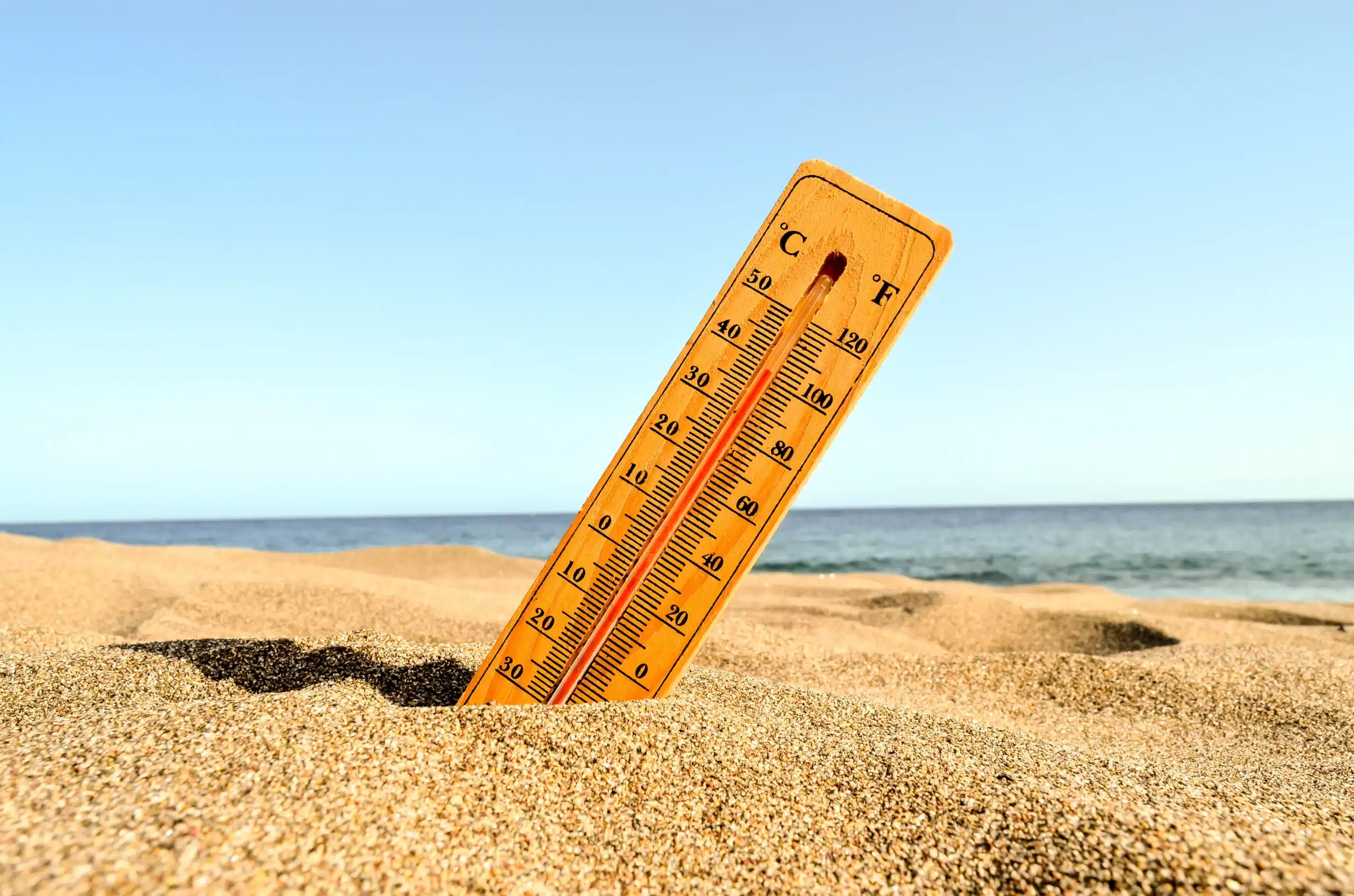
September brings deceptively intense heat. Daily highs frequently reach 90-100°F in many areas.
These extreme outdoor temperatures create an enormous thermal load. Even well-maintained air conditioning systems struggle under this pressure.
When the temperature difference between your desired indoor comfort and scorching outdoor heat exceeds 20-25°F, your AC must work exponentially harder. This puts tremendous strain on every component.
Older or undersized units particularly struggle during peak temperature periods. Late afternoon hours are especially challenging when solar heat gain compounds the problem.
The intense heat affects your system in two ways:
• Reduces your system’s cooling capacity significantly
• Forces the condenser to work against much hotter ambient air
This combination reduces overall efficiency dramatically. Your energy consumption skyrockets while comfort plummets.
2. Overworked AC Unit May Not Performing
Many homes were equipped with air conditioning systems sized for typical summer conditions. They weren’t designed for extended heat waves.
An undersized HVAC system faces a losing battle against late-summer temperatures. It runs continuously without ever reaching the desired temperature setting.
This constant operation creates multiple problems:
• Fails to provide adequate comfort
• Accelerates wear on critical components
• Increases energy bills substantially
The problem becomes particularly evident when systems that seemed adequate during milder weather suddenly can’t keep up. September’s relentless heat exposes capacity limitations.
Load calculations performed years ago may not account for changes. Home additions, increased insulation, or changing usage patterns affect cooling requirements.
Only a licensed HVAC contractor can perform accurate HVAC load calculations and determine whether your system capacity matches your home’s actual cooling demands.
3. Another Reason is Dirty or Clogged Air Filters
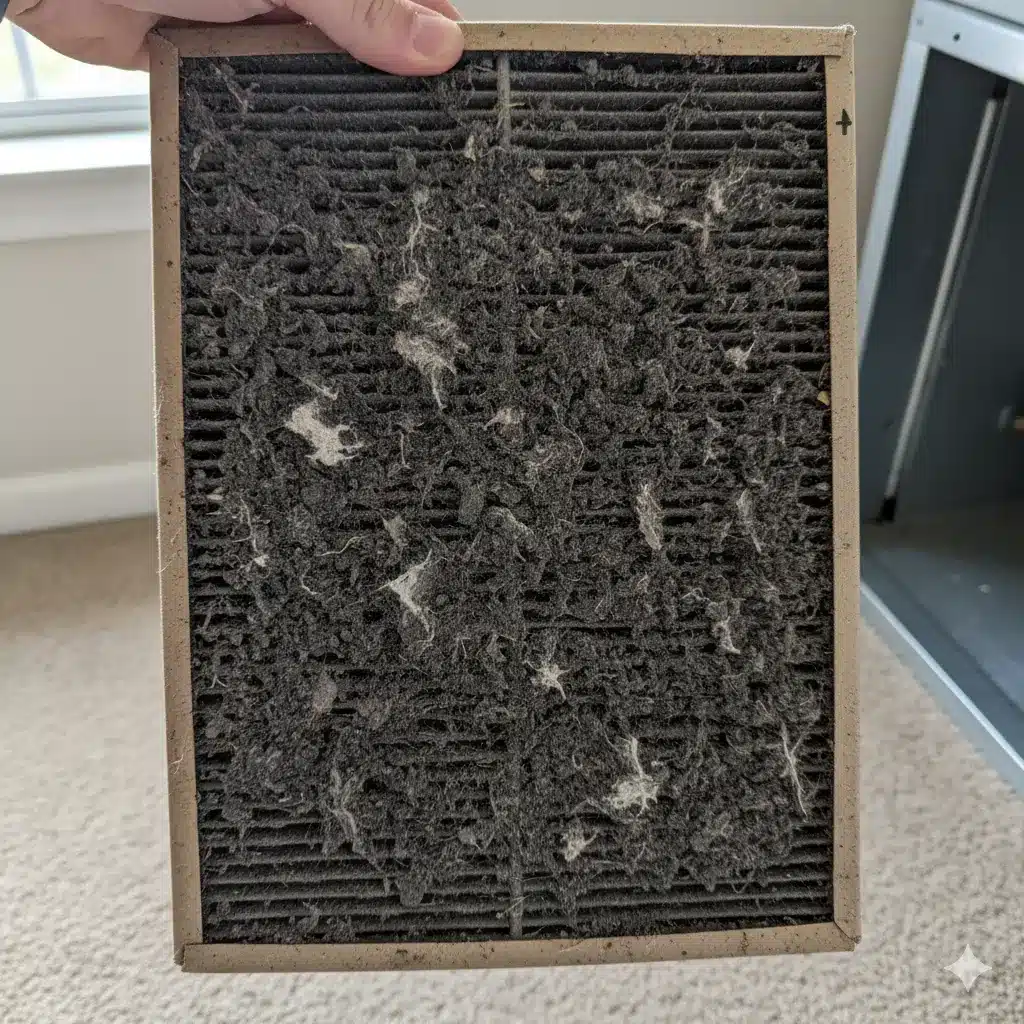
By late summer, air filters have accumulated months of contamination. Dust, pollen, pet dander, and household debris create a significant barrier to airflow.
This accumulated contamination forces your system to work harder while delivering less cooling performance. A severely clogged filter can reduce airflow by 50% or more.
Think of it like breathing through a dirty cloth. Your system is essentially choking when maximum performance is needed most.
The impact extends beyond just reduced comfort. Restricted airflow causes the evaporator coil to run colder. This can lead to ice formation that damages components and completely halts cooling operation.
In dusty conditions, filters may need replacement more frequently than the standard 30-60 day recommendation.
Replace the filter immediately. If airflow remains weak after replacement, professional duct cleaning or blower motor service may be necessary.
4. Low Refrigerant Levels Impacts Cooling
Extended operation during hot weather places additional stress on refrigerant lines and connections. Small leaks that went unnoticed during milder weather become performance-limiting problems.
Refrigerant levels are the lifeblood of your cooling system. Even minor losses can dramatically reduce cooling capacity and efficiency.
Low refrigerant levels force your compressor to work harder while delivering progressively weaker cooling performance. You may notice these symptoms:
• System runs constantly but never achieves the set temperature
• Air from vents feels only slightly cool rather than refreshingly cold
• Ice formation on refrigerant lines or coils
Refrigerant handling requires EPA certification and specialized equipment. Only licensed HVAC technicians can safely diagnose leaks, repair them, and restore proper refrigerant levels.
5. Dirty Condenser Coils of Outside HVAC Units
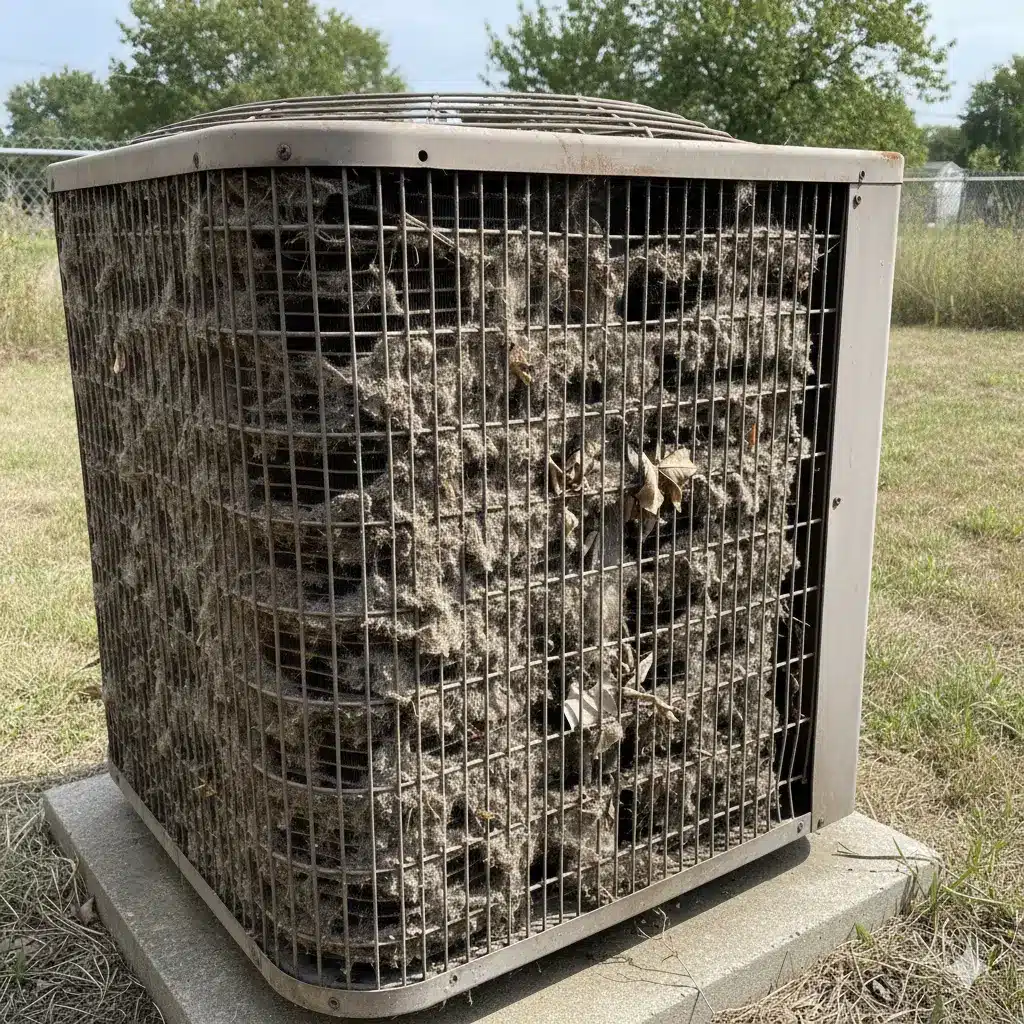
After months of continuous operation, your outdoor condenser unit accumulates layers of contamination. Dirt, leaves, grass clippings, and other debris act as insulation around the coils.
This contamination prevents efficient heat rejection. Your system works much harder to achieve the same cooling results.
In environments with frequent lawn maintenance and seasonal allergens, condenser coils can become heavily fouled by late summer.
The problem is particularly pronounced during September. Your system needs to reject the maximum amount of heat, but the coils are at their dirtiest point of the season.
Clean condenser coils are essential for efficient heat transfer. Dirty coils can reduce system efficiency by 30% or more.
While you can remove visible debris, thorough coil cleaning requires specialized equipment and chemicals for optimal safety and effectiveness.
6. Leaky Insulated Ductwork Can Cause Poor Cooling
In scorching attics where temperatures can exceed 120°F, leaking ductwork becomes a major efficiency killer. Cooled air escaping through duct leaks is immediately heated by extreme attic temperatures.
This conditioned air never reaches the living spaces where it’s needed. Studies indicate that typical homes lose 20-30% of conditioned air through ductwork problems.
The issue becomes more pronounced during extreme heat. The temperature differential between conditioned air and attic space is greatest during these periods.
What might be a minor inefficiency during moderate weather becomes a major comfort problem. This happens when your system is already struggling against high outdoor temperatures.
Proper duct inspection, sealing, and insulation upgrades require specialized equipment and expertise to identify problem areas and implement effective solutions.
7. Aging HVAC System of 10+ Years Old
Air conditioning systems that have provided faithful service for a decade or more often show their age during late-summer stress tests.
Multiple components degrade over time:
• Compressor efficiency decreases
• Blower motors lose capacity
• Seals begin to fail
These problems become most apparent when maximum performance is demanded.
Aging systems also use older refrigerants and technology. These may be less efficient than modern alternatives.
Components that functioned adequately during less demanding conditions may no longer provide sufficient capacity. September’s heat challenges expose these limitations.
An experienced HVAC contractor can assess whether your aging system can be restored to adequate performance or if AC replacement would be more cost-effective.
8. Thermostat Calibration Issues
A misalibrated thermostat can leave you constantly adjusting settings without achieving comfortable results.
Heat gain in sunny rooms can cause the thermostat to register temperatures that don’t reflect the actual comfort level throughout your home.
Advanced thermostats with multiple sensors can provide more accurate temperature control. Older units may not properly account for varying conditions throughout the house.
Location matters significantly. Thermostats placed in these areas may not accurately represent your home’s overall comfort needs:
• Hallways with poor air circulation
• Near heat sources like lamps or electronics
• In direct sunlight
During extreme heat, these calibration issues become more pronounced and problematic.
HVAC technicians can recalibrate existing thermostats or recommend smart thermostat upgrades for improved comfort control and energy efficiency.
9. High Humidity Makes Your Home Feel Uncomfortably Warm
Late-summer humidity can make homes feel uncomfortably warm even when the air conditioning is running properly.
If your system isn’t effectively removing moisture from the indoor air, you’ll feel sticky and warm regardless of the actual temperature. Proper dehumidification is just as important as temperature control for complete comfort.
High humidity also makes your body’s natural cooling mechanisms less effective. This forces you to set lower temperatures to achieve the same comfort level.
This increased demand can push an already-stressed system beyond its capacity limits.
Humidity problems can indicate issues with coil performance, refrigerant levels, or system sizing that require expert diagnosis and solution.
Which Quick Checks I Can Do When AC Struggling To Cool House?
Before calling for professional service, these simple diagnostic steps can help identify easily correctable issues. They also provide valuable information for HVAC technicians.
1. Check the Thermostat Settings
Verify that your thermostat is set to “Cool” mode rather than “Fan” or “Heat” settings.
Set the temperature at least 3-5°F lower than the current room temperature. This ensures the cooling system activates properly.
Check that the fan setting is on “Auto” rather than “On” for optimal efficiency.
2. Inspect the Air Filter
Remove and examine your air filter under good lighting.
If it appears gray, brown, or you cannot see through it clearly, replacement is overdue.
Even if the filter doesn’t look completely blocked, replace it if it hasn’t been changed in the past 1-2 months during heavy usage periods.
3. Examine Vents and Registers
Walk through your home and ensure all supply vents are fully open and unobstructed.
Check for blockages from:
• Furniture pushed too close
• Rugs covering floor vents
• Curtains hanging over wall vents
• Other items restricting airflow
Closed or blocked vents create pressure imbalances. This reduces overall system efficiency and can cause uneven cooling throughout your home.
4. Inspect the Outdoor Unit (Condenser)
Clear away any leaves, grass clippings, or debris within a 2-foot radius around your condenser unit.
When the system is running, verify that the outdoor fan is spinning and that you can feel air movement.
Listen for unusual noises that might indicate mechanical problems like:
• Grinding sounds
• Squealing noises
• Rattling or banging
5. Check Circuit Breakers
If your AC isn’t running at all, examine your electrical panel for tripped breakers.
Reset any tripped breakers, but if they trip again immediately, discontinue attempts and contact a professional. This indicates an electrical problem requiring expert attention.
6. Look for Ice Formation
Check both indoor and outdoor units for any signs of ice buildup.
Ice on coils, refrigerant lines, or other components indicates serious problems with airflow or refrigerant levels.
If you discover ice, turn off the system immediately and allow complete thawing before attempting operation.
7. Test Air Temperature and Flow
Feel the air coming from supply vents throughout your home.
Air should feel noticeably cool and flow with reasonable force.
What different airflow conditions indicate:
• Weak airflow suggests duct problems or blower motor issues
• Warm air indicates potential refrigerant or compressor problems
• No airflow could mean electrical issues or complete system failure
8. Control Solar Heat Gain
Close curtains, blinds, or shades in rooms receiving direct sunlight. Focus especially on afternoon hours when solar heat gain is greatest.
This simple step can reduce indoor heat gain significantly and decrease the load on your cooling system.
9. Monitor Indoor Humidity
Pay attention to how the air feels inside your home.
If surfaces feel sticky or the air seems heavy and moist, your system may not be dehumidifying properly.
A portable dehumidifier can provide temporary relief while you arrange for professional assessment.
Quick Fixes You Can Try to Solve AC Struggling to Cool the House
1. Replace or Clean the Air Filter
This is the single most important maintenance task you can perform.
A clean filter allows maximum airflow through your system. This improves both cooling performance and energy efficiency.
During heavy usage periods, consider checking filters every 3-4 weeks rather than waiting for the full manufacturer’s recommended interval.
Here’s how to do it properly:
• Turn off your system before removing the filter
• Note the airflow direction arrow on the filter frame
• Install the new filter with the arrow pointing toward the blower
• Ensure the filter fits snugly without gaps around the edges
2. Clear Debris Around the Outdoor Unit
Create a clear zone of at least 24 inches around your condenser unit.
Remove these common airflow restrictions:
• Weeds growing near the unit
• Grass clippings blown against the coils
• Leaves and seasonal debris
• Any other materials that could restrict airflow
Trim back shrubs or vegetation that may have grown too close during the summer months.
Good airflow around the condenser is essential for efficient heat rejection.
Key Checks Only HVAC Experts Can Perform
3. Refrigerant System Service
Licensed HVAC technicians can diagnose refrigerant leaks using electronic leak detectors and specialized procedures.
They can repair leaks and restore proper refrigerant levels to manufacturer specifications. This restores your system’s cooling power and efficiency.
4. Deep Coil Cleaning
Professional coil cleaning involves specialized detergents and equipment to remove built-up contamination from both evaporator and condenser coils.
This service can restore significant cooling capacity and improve energy efficiency dramatically.
5. Ductwork Inspection and Sealing
HVAC contractors can perform comprehensive duct inspections using cameras and pressure testing equipment.
They identify leak locations and insulation deficiencies. Professional sealing and insulation upgrades can recover substantial amounts of lost cooling capacity.
6. Blower Motor and Fan Service
Weak airflow often indicates problems with blower motors, fan blades, or motor capacitors that require professional diagnosis and AC repair.
These components are critical for moving conditioned air throughout your home effectively.
7. Electrical System Testing
Professional technicians can test capacitors, relays, contactors, and thermostat calibration to ensure all electrical components are functioning properly.
Electrical problems can prevent proper system operation even when mechanical components are functioning correctly.
8. System Capacity Evaluation
Experienced contractors can perform load calculations and efficiency testing to determine whether your current system is appropriately sized for your home’s cooling requirements.
They can recommend upgrades or modifications to improve performance during extreme conditions.
Can Regular AC Maintenance Help My AC Cool Better in Late Summer?
Absolutely. Regular professional maintenance is one of the most effective strategies for ensuring optimal cooling performance during demanding late-summer conditions.
Preventive maintenance addresses many of the issues that cause cooling struggles before they become performance-limiting problems.
How Maintenance Improves Late-Summer Performance
Professional maintenance keeps evaporator and condenser coils clean. This ensures maximum heat transfer efficiency when your system faces its greatest challenges.
Clean coils can operate at peak efficiency. Dirty coils can reduce capacity by 30% or more a critical difference when outdoor temperatures reach extreme levels.
Maintenance also ensures proper refrigerant levels and identifies small leaks before they become major problems. During extended cooling seasons, even minor refrigerant losses can compound into significant performance deficits.
Filter replacement and airflow verification during maintenance visits prevent the gradual performance degradation that occurs when airflow restrictions develop over time.
Proper airflow is essential for both cooling performance and equipment protection. Maintenance ensures your system can move the volume of air necessary for effective operation.
Seasonal Maintenance Strategy for Extended Cooling Seasons
Given extended cooling seasons and intense summer conditions, a dual-season maintenance approach provides optimal protection.
Spring maintenance prepares your system for the upcoming cooling season by addressing issues that developed during the dormant period.
Late-summer maintenance addresses the wear and contamination that accumulates during heavy usage.
Spring maintenance focuses on:
• Deep cleaning of coils and components
• Lubrication of moving parts
• System testing to ensure peak readiness for cooling season demands
Late-summer maintenance addresses:
• Effects of heavy usage throughout the season
• Prepares the system for continued reliable operation during challenging conditions
• Identifies components that may need replacement before the next cooling season
Why Professional HVAC Expertise Needed?
Licensed HVAC technicians can identify developing problems that homeowners typically cannot detect until they cause complete failures.
Early detection allows for planned repairs during convenient times rather than emergency breakdowns during peak heat periods when service availability may be limited and costs higher.
Regular maintenance also provides documentation of system condition and performance trends. This helps you make informed decisions about repairs versus replacement as your system ages.
This information becomes invaluable when planning home comfort investments and budgeting for future needs.
Frequently Asked Questions
Q: Why is my air conditioner running but not blowing cold air?
This typically indicates issues with refrigerant levels, dirty coils, severe filter restriction, or thermostat problems.
The system has power and the blower is operating, but the cooling components aren’t functioning properly.
Professional diagnosis can identify whether the problem is refrigerant-related, airflow-related, or electrical.
Q: How can I fix an AC that’s not cooling my house properly?
Start with basic checks: replace the air filter, verify correct thermostat settings, and clear debris from around the outdoor unit.
If these steps don’t restore proper cooling, professional service is needed to check refrigerant levels, clean coils, inspect ductwork, and test electrical components for proper operation.
Q: Why does my AC struggle more in September than earlier in summer?
September heat can be just as intense as July temperatures, but your system has been working hard all summer.
Accumulated dirt, potential refrigerant losses, and component wear make it harder for your AC to handle extreme temperatures.
Additionally, thermal stress from months of operation can reveal developing problems.
Q: Can a dirty air filter really prevent my AC from cooling?
Yes, absolutely. A severely clogged filter can reduce airflow by 50% or more.
This makes it impossible for your system to move enough air for effective cooling.
Restricted airflow can also cause the evaporator coil to freeze, completely stopping cooling operation until the ice melts and the underlying problem is corrected.
Q: How do I know if my AC has a refrigerant leak?
Common signs include:
• Warm air from vents despite proper operation
• Ice formation on refrigerant lines or coils
• Hissing sounds near the outdoor unit
• Systems that run constantly without reaching the set temperature
Only EPA-certified technicians can confirm refrigerant leaks and perform proper repairs.
Q: Why does my AC run constantly but never cool the house?
Continuous operation without achieving desired temperatures usually indicates the system is undersized for the cooling load.
It could also have significant efficiency problems like dirty coils, low refrigerant, or ductwork issues.
The system might be facing extreme conditions beyond its capacity.
Professional evaluation can determine the root cause and recommend appropriate solutions.
Q: Can humidity make my AC feel like it’s not cooling properly?
Yes, high indoor humidity makes you feel warmer at the same temperature because it interferes with your body’s natural cooling through perspiration.
If your AC isn’t properly dehumidifying, you’ll feel uncomfortable even when the temperature is technically correct.
This can indicate coil problems, refrigerant issues, or inadequate system capacity.
Q: When should I replace my AC system instead of repairing it?
Consider replacement when repair costs exceed 50% of replacement cost.
Also consider replacement when your system is over 15 years old and experiencing frequent problems.
If it consistently cannot maintain comfort despite proper maintenance, replacement may be the most cost-effective solution.
Modern systems offer significantly better efficiency and reliability than older units, potentially offsetting replacement costs through energy savings.
Don’t let late-summer heat overwhelm your cooling system. If these troubleshooting steps don’t restore comfortable temperatures throughout your home, professional HVAC service can diagnose the specific issues affecting your system and provide effective solutions to keep you cool through the remainder of the cooling season.


