

The Midsummer Meltdown: Survival Guide for Emergency AC Repair in Texas
Imagine it is a blistering July afternoon in the Lone Star State. The outdoor temperature is a scorching 103 degrees Fahrenheit. Inside your home, you suddenly notice a strange silence. The comforting, familiar hum of your cooling system has stopped completely. Within minutes, the indoor humidity begins to rise, and your living room starts feeling like a localized sauna.
When your cooling system breaks down during a historic heatwave, it is more than just an annoying inconvenience. On the contrary, it quickly turns into a legitimate safety hazard for your family, your pets, and your property. This is exactly when you need to skip the online guessing games and call for professional assistance.
This comprehensive technical guide breaks down the primary causes of sudden system failures, how to safely troubleshoot minor electrical glitches, and what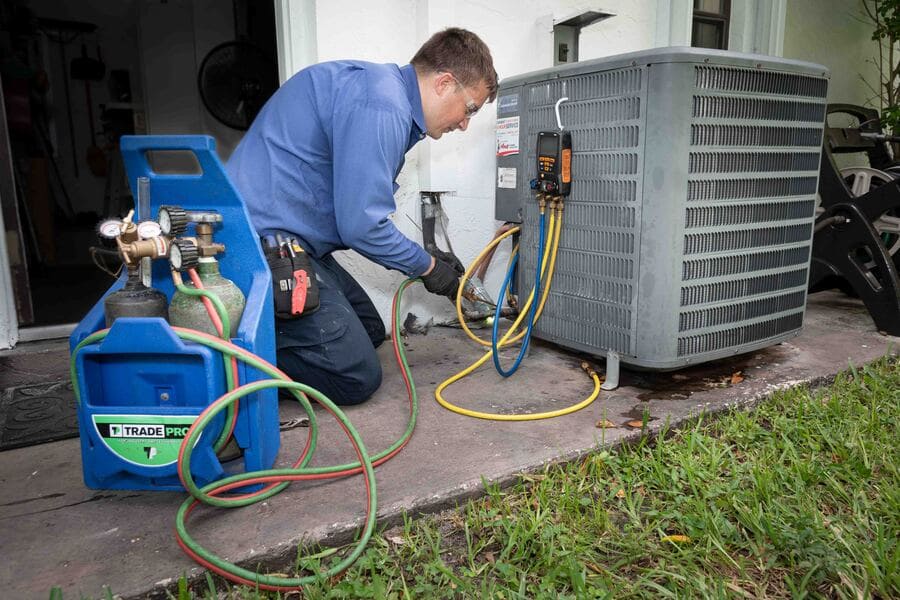 t
t
The True Danger of Extreme Lone Star Heatwaves
Texas homeowners face some of the most demanding environmental conditions in the entire country. According to climate data compiled by the National Weather Service, our regional summer temperatures regularly push equipment past its normal operating limits for weeks at a time. This sustained stress creates serious mechanical risks.
When outdoor ambient temperatures climb past 100 degrees, an uncooled home can absorb heat rapidly due to solar radiation. Specifically, attic spaces can easily reach 140 degrees, pushing that intense thermal load down through your ceilings. For vulnerable individuals, including infants, elderly family members, and individuals with underlying health conditions, a broken cooling system can quickly cause heat exhaustion or dangerous heat stroke.
Furthermore, high indoor humidity levels can damage your property investment. Excess moisture in the air causes drywall to swell, promotes rapid mold growth inside dark closets, and can even warp premium hardwood flooring. Consequently, treating a system breakdown as an immediate priority protects both your health and your real estate assets.
Interactive HVAC Health & Diagnostic Simulator
Every residential cooling system experiences unique stress levels based on age, filter cleanliness, and outdoor weather extremes. Use our interactive tool below to simulate how these different operating variables impact your system’s overall breakdown risk and see when an immediate intervention is required.
The Top 4 Culprits Behind Sudden System Failures
Residential cooling systems are highly complex networks that balance mechanical movement, electrical logic, and chemical heat transfer. When one minor part fails under heavy loads, the entire system shuts down to prevent permanent damage. Specifically, our field technicians look for these four common failure points:
1. Ruptured Run Capacitors
The run capacitor functions like a heavy-duty battery booster for your outdoor unit. It delivers the continuous electrical energy needed to keep the compressor and condenser fan spinning smoothly. Because intense summer heat raises the internal temperature of electrical panels, these components can bulge and rupture. As a result, your system will emit a faint buzzing sound but refuse to start.
2. Clogged Condensate Drain Lines
Your indoor evaporator coil removes gallons of liquid water from the air daily as it cools your home. This water drops into a plastic pan and flows out through a dedicated PVC drain line. Over time, dark algae and airborne dust can form a thick sludge inside the pipe. Consequently, the safety float switch detects the rising water and instantly cuts power to the system to prevent a costly indoor ceiling flood.
3. Frozen Evaporator Coils
It sounds counterintuitive, but your indoor cooling coils can actually freeze solid during a hot summer day. This issue typically happens when restricted airflow prevents warm air from passing over the cold metal fins. A severely clogged air filter or a failing blower motor can cause this thermal drop. Once ice builds up on the coils, it acts like an insulating blanket, completely blocking any cool air from reaching your ductwork.
4. Overheated Compressor Units
The compressor is the true heart of your entire cooling infrastructure. It pumps chemical refrigerant back and forth between your indoor and outdoor equipment. If your outdoor coils are caked with thick layers of dirt, lawn grass, or dried mud, the unit cannot shed heat efficiently. For this reason, the compressor will eventually trip its internal thermal overload switch and shut down to avoid burning out completely.
Professional Resolution vs. Temporary Quick Fixes
When you are sweating inside a hot house, it is incredibly tempting to look up cheap DIY shortcuts online. However, modern cooling equipment requires specialized diagnostic tools and precise technical knowledge to repair safely. The table below outlines how temporary stopgap measures compare directly to an expert structural resolution:
| Repair Quality Performance Metric | Temporary DIY Stopgap Hacks | Professional Structural Resolution |
| Electrical Safety Assurance | High risk of accidental shock or ruined control boards | Full circuit testing using calibrated digital multimeters |
| Refrigerant Pressure Accuracy | Illegal and dangerous to handle without an EPA license | Precise balancing using professional digital gauge manifolds |
| Root Cause Identification | Focuses only on symptoms, leaving hidden bugs active | Comprehensive system audit to stop recurring breakdowns |
| Equipment Warranty Protection | Instantly voids manufacturer parts and labor coverage | Preserves active factory warranties with certified labor |
| Long-Term System Efficiency | System often runs longer, driving up your power bills | Restores factory specification performance and low energy use |
Crucial Steps to Take While Waiting for Your Technician
If you have already contacted our team for urgent help, there are several simple actions you can take to protect your home and prepare your property for our arrival. Taking these steps ahead of time ensures a safe, efficient service call:
- Shut the System Down: Turn your thermostat completely to the “Off” position. If your indoor coil has frozen into a block of ice, keeping the system running will only make the ice thicker. Shutting it down allows the ice to start melting before your technician walks through the door.
- Clear the Work Zones: Remove any lawn furniture, overgrown bushes, or stored items from the immediate area surrounding your outdoor condenser unit. Similarly, clear out closets or utility spaces to provide unhindered access to your indoor air handler.
- Keep Your Home Sealed: Keep all exterior doors, windows, and window blinds tightly closed to trap whatever residual cool air is left inside your living spaces.

Trust Local Experts with Your Home Comfort
You do not have to battle the extreme summer heat alone. Relying on an uncertified crew or trying to patch complex electrical components independently can cause permanent equipment damage and lead to incredibly expensive replacement bills. Securing a professional emergency ac repair in Texas is the single fastest, safest way to restore cool air, lower your stress levels, and protect your family.
If your cooling system is blowing warm air or refuses to turn on, connect with the certified HVAC specialists at R-10 Heat and Air. Our family-owned team believes in a strict “Repair-First” philosophy. We focus on fixing the actual problem honestly and accurately the very first time without resorting to high-pressure sales pitches or hidden fees.
Our licensed, punctual technicians understand exactly how to handle the unique challenges of our local climate. Contact us today, and let us bring precision, loyalty, and cool comfort back to your Texas home.


