
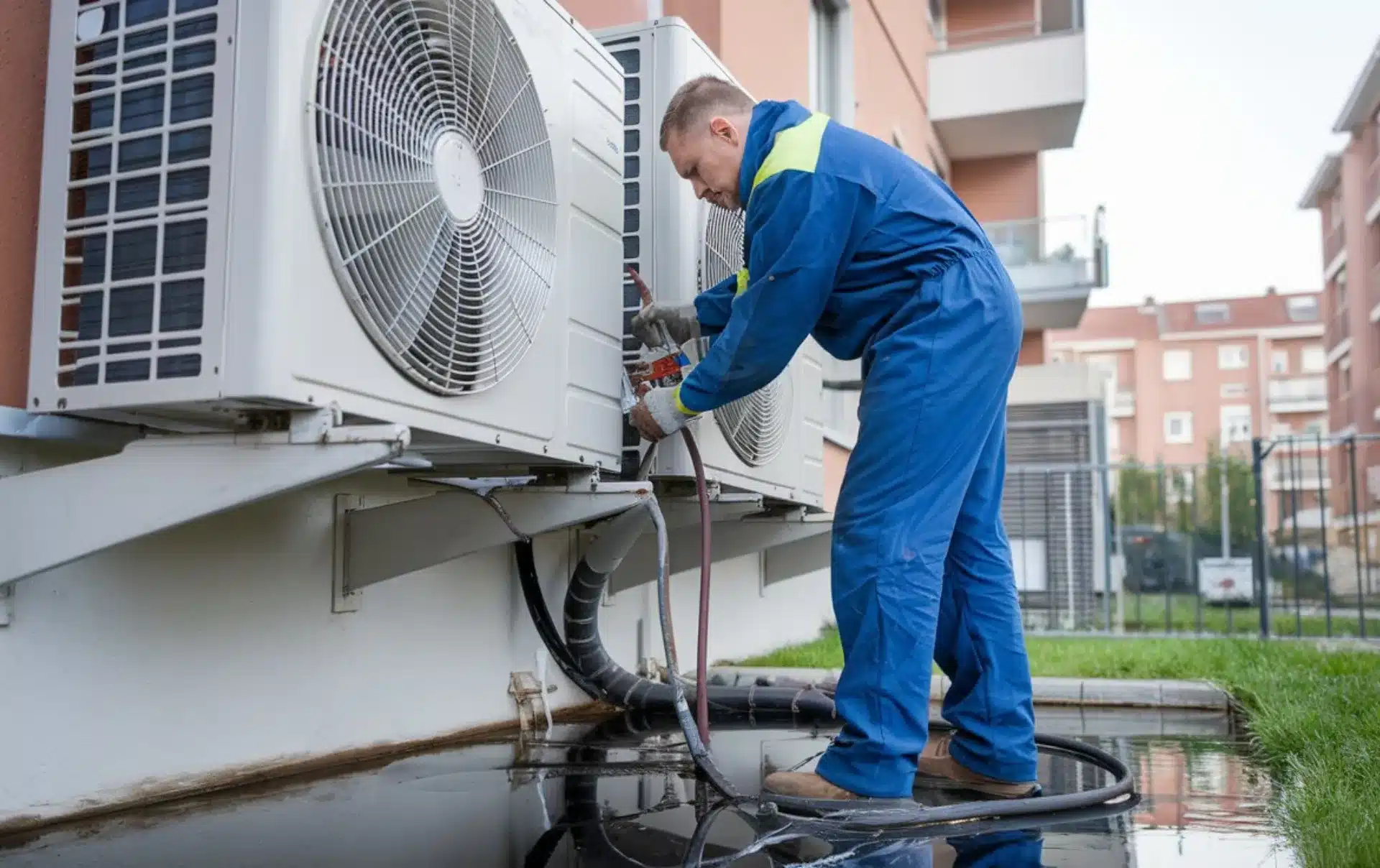
In 2025, the air conditioner freon refill cost varies based on the type of refrigerant used:
R-410A (Puron): Approximately $100 to $320 for a refill, with the refrigerant priced between $50 and $80 per pound.
Ref: homeguide.com
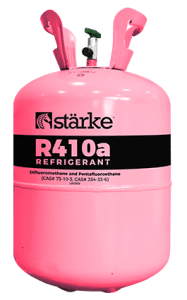
Image Credits: Wikipedia
R-22 (Freon): Due to its phase-out, refilling can cost between $180 and $600, with prices ranging from $90 to $150 per pound.
Ref: homeguide.com
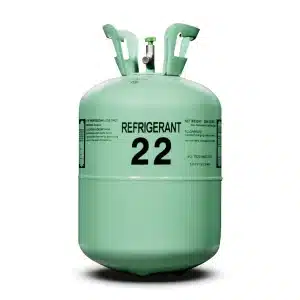
Image Credits: Arcticrefrigerants
It’s important to note that starting in 2025, new HVAC systems will transition to using more environmentally friendly refrigerants like R-454B and R-32, which may influence future costs.
Introduction To Air Conditioner Freon Refill Cost
Air conditioners rely on refrigerants to cool indoor air efficiently. Over time, refrigerant levels may deplete due to leaks or natural wear and tear, requiring a refill. Understanding the cost of refilling Freon in 2025 is crucial for you to make informed decisions about their HVAC maintenance.
Let’s dive right in!
What’s the Average Cost to Refill Freon in Your Air Conditioner?
If you’re considering a Freon refill for your air conditioner, it’s important to understand what goes into these costs. The price can vary widely depending on a few key factors. Here’s a deeper breakdown:
1. Low-end cost ($50 – $150): This range applies to small AC units or systems that only need a small amount of refrigerant. The type of refrigerant also matters—newer, environmentally-friendly options like R-410A are more affordable than older refrigerants like R-22. Keep in mind, the lower costs here typically don’t include labor fees.
2. Mid-range cost ($150 – $450): This is the most common price range for most households. It includes the refrigerant itself as well as standard labor charges for a technician to safely handle and refill your system. Costs may lean toward the higher end depending on regional pricing or technician experience
3. High-end cost ($600 – $1,200): If your AC unit uses R-22 refrigerant, which is no longer being produced due to environmental regulations, costs skyrocket. Since R-22 is harder to find, its price per pound is significantly higher. Older systems might also require more refrigerant and longer service time, adding to the cost.
What Factors Influencing Freon Refill Costs ?
Several variables play a role in determining the overall expense of a Freon refill. Understanding these details can help you plan and avoid unexpected surprises:
1. Type of Refrigerant Used: Refrigerants like R-410A, R-454B, and R-32 are widely available and follow modern environmental standards, making them more cost-effective. On the other hand, R-22 is being phased out, so each service call using R-22 will likely cost much more. Your technician will identify which refrigerant is safe and compatible with your AC unit.
2. Size & Capacity of the AC Unit: Larger AC systems, like those used in big homes or commercial buildings, need more refrigerant to achieve optimal performance. A larger unit means higher costs because it takes longer to recharge and requires more material.
3. Labor & Service Fees: Professional air conditioning technicians charge for their labor, which can make up a significant portion of the total bill. These fees depend on where you live and the complexity of the job. Experienced and licensed contractors may charge more, but their expertise often guarantees better results.
4. Emergency vs. Scheduled Maintenance: If your air conditioner stops working during a weekend heatwave and you call for emergency assistance, expect to pay a premium. Emergency service often comes with after-hours or priority fees. Scheduling maintenance during regular business hours is almost always cheaper.
5. Geographic Location: Labor costs and material availability vary by region. For example, urban areas or cities where the cost of living is high may have a higher average price for Freon refills. Conversely, rural locations with fewer contractors to choose from may also see higher prices, albeit for slightly different reasons.
Now let’s see the freon refill cost by types of AC units
Freon Refill Cost by Types of Air Conditioner Units
1. Window Air Conditioners : The Refill cost is $75 – $240
- These small systems typically use R-410A refrigerant or newer types, which are designed to be safer for the environment.
- Due to their compact size, they need less refrigerant than bigger systems, keeping the costs on the lower side.
- It’s often cheaper to replace a small window unit rather than pay for repairs or refills, especially if the system is older or has extensive damage.
2. Central Air Conditioning Systems : The Refill cost is $100 – $600
- Older central AC systems may use R-22 refrigerant, which is being phased out, while newer ones rely on R-410A.
- These systems have a much larger refrigerant capacity, so the cost goes up if a full refill is needed.
- Regular checkups and maintenance can prevent HVAC leaks, saving you from expensive refills in the long run.
3. Mini-Split Air Conditioners : The Refill cost is $100 – $300
- These modern, energy-efficient systems use R-410A or sometimes R-32, which is even more eco-friendly.
- Since mini-splits require precise pressure balancing, handling refrigerant for these systems requires specialized tools and expertise.
- You’ll usually need a licensed HVAC professional to ensure everything runs correctly, especially during a refill or servicing.
4. Commercial HVAC Systems : The Refill cost is $500 – $2,000+ depending on unit size and refrigerant type
- Commercial systems serve larger buildings and therefore use a lot more refrigerant, which naturally increases the cost.
- These systems rely on commercial-grade refrigerants specifically designed for heavy-duty use.
- Because of the complexity of these systems, both the labor and materials involved in servicing or refilling are typically more expensive.
Each system has unique requirements and costs based on its size, refrigerant type, and complexity, but regular maintenance is key to ensuring your AC works efficiently and saves you money in the long term!
Full Air Conditioner Freon Refill Cost Breakdown
Refrigerant Price per Pound
1. R-410A (Puron): $50 – $80 per pound
R-410A, commonly known as Puron, is the most widely used refrigerant in modern air conditioning systems. Its popularity comes from being more energy-efficient and environmentally friendly than older refrigerants like R-22. The price range reflects market demand, manufacturing costs, and availability. Depending on how much your system needs, this cost can add up quickly.
2. R-22 (Freon, phased out): $90 – $150 per pound
R-22, traditionally called Freon, has been phased out because of its harmful effects on the ozone layer. This means it’s no longer produced, so the only available supply comes from recycled or stockpiled reserves. Since it’s scarce, the price is significantly higher. If your system still uses R-22, consider upgrading to a newer unit, as repair and refill costs will continue to rise.
3. R-454B (new eco-friendly alternative): Expected to be in the range of $60 – $100 per pound
R-454B is the refrigerant of the future! It’s being introduced as a greener, more sustainable replacement for R-410A and other refrigerants, offering reduced environmental impact. While exact pricing isn’t fixed yet, it falls within a competitive range for newer options on the market. If you plan to upgrade your system, this may become a common choice in years to come.
4. R-32 (common in mini-split systems): $40 – $70 per pound
R-32 is a single-component refrigerant often used in mini-split and ductless systems. It’s efficient, affordable, and works well in compact cooling systems. If you have a mini-split air conditioner, chances are this is the refrigerant you’ll need to refill. Its availability and cost make it a more budget-friendly option compared to others.
Labor Costs (Varies by location and service provider)
1. Hourly technician rate: $75 – $150 per hour
The technician’s rate depends on several factors, such as their experience, certification, and the local cost of living. A more experienced technician may charge higher, but they often work faster and provide better-quality service. Always ask for an upfront estimate to avoid surprises.
2. Service call fee: $75 – $200
The service call fee covers the cost of the technician traveling to your location and diagnosing the problem. Even if no repair is needed, most companies will charge this fee as a standard part of their pricing model. The fee also ensures the technician is compensated for their time and expertise.
3. Emergency or after-hours service: 20% – 50% higher than standard rates
If your AC breaks down on a hot weekend or in the middle of the night, you’ll likely be charged extra for emergency service. This higher rate reflects the inconvenience of working outside regular hours. It’s a good reason to address system issues early—before they turn into emergencies!
By understanding these costs, you’ll be better prepared to budget for your air conditioner’s maintenance and avoid unnecessary surprises.
What Are Signs of a Freon Leak and How to Check?
So, how do you know if your HVAC has a Freon leak? Here are some signs to look out for.
Common Indicators of Low Freon Levels
1. Warm air blowing from vents despite AC running
When your air conditioning unit has a Freon leak, it won’t have enough refrigerant to cool the air properly. This results in warm or mildly cool air coming from your vents, even though the system is running. Essentially, the AC is working harder but not achieving the desired cooling effect.
2. Hissing or bubbling noises near refrigerant lines
These sounds often indicate that refrigerant is escaping from small cracks or holes in the system’s refrigerant lines. The hissing occurs when compressed gas leaks out, while bubbling noises might appear if the refrigerant mixes with any moisture in the system.
3. Ice buildup on evaporator coils or refrigerant lines
When there’s a Freon leak, the refrigerant drops below the optimal level, causing the coils to get too cold. This can lead to condensation freezing on the coils or refrigerant lines, creating visible ice that reduces airflow and cooling efficiency.
4. Higher energy bills due to increased AC workload
An AC unit that is low on Freon will need to run for longer periods to try and reach the desired temperature. This extended runtime increases electricity usage, leading to higher energy bills without delivering proper cooling.
5. AC runs continuously but doesn’t cool effectively
With low Freon levels, the system struggles to remove heat from your home. The AC may seem like it’s always running, but the temperature inside doesn’t improve as expected, making your home uncomfortable despite the constant operation.
Different Methods to Check for a Freon Leak
1. Electronic Leak Detection:
This method uses a special tool designed to detect refrigerant leaks. The tool “sniffs” for Freon in the air and helps pinpoint the exact location of the leak. It’s a reliable way to identify even minor leaks.
2. Dye Detection:
A bright fluorescent dye is added to the AC system, which circulates along with the refrigerant. If there’s a leak, the dye will seep out at the trouble spot and can easily be seen under UV light. This method is simple and highly effective for spotting leaks visually.
3. Nitrogen Pressure Test:
This involves filling the AC system with compressed nitrogen, which is an inert gas. If there’s a leak, you’ll often hear a faint hissing sound as the gas escapes. The pressure test is excellent for finding leaks that might not be obvious with other techniques.
Cost to Fix an Air Conditioner Freon Leak
When dealing with a Freon leak in your air conditioner, it’s important to understand what you’re paying for and why. Here’s a breakdown of what these costs mean:
1. Leak Detection Costs Explained.
- Basic inspection ($100 – $330): A technician performs a standard check to locate obvious leaks or signs of trouble. This is quick and straightforward but may miss smaller or hidden leaks.
- Comprehensive diagnostic test ($300 – $700): This involves advanced tools and techniques, like using UV dye or electronic leak detectors, to locate leaks more accurately. It’s a more thorough approach, ensuring that even the hard-to-find issues are caught.
2. Freon Leak Repair Costs.
- Minor leaks ($200 – $500): Small punctures in refrigerant lines can often be patched or sealed without replacing major parts. These are typically the least expensive to fix.
- Moderate leaks ($500 – $1,000): Damage to valves or connections may require replacement parts or more labor-intensive repairs, increasing the cost.
- Severe leaks ($1,000 – $2,500+): If the leak is in critical components like the evaporator coil or compressor, the repairs can become very expensive and may require significant replacements.
3. Replacement Considerations.
If a repair is too expensive, investing in a new HVAC system might actually save you money in the long term.
Systems using modern refrigerants like R-454B or R-32 are designed to be more energy-efficient and environmentally friendly, which could reduce your cooling costs over time.
Here’s a good rule of thumb—if repair costs plus a Freon refill make up more than 50% of what a new AC unit costs, it’s probably smart to replace instead of repair!
Freon Refill Cost-Saving Tips in Fort Worth Tx
1. Regular Maintenance: Scheduling yearly AC maintenance is crucial because it helps your system run efficiently and prevents small issues, like refrigerant leaks, from becoming costly problems. A well-maintained AC saves you money on energy bills and extends the life of your unit.
2.Check for Warranty Coverage: Many AC manufacturers offer warranties that might cover refrigerant-related repairs. Double-check your system’s warranty documents to see if you’re eligible for free or discounted repairs, especially if your unit is still relatively new.
3. Upgrade to a Newer AC Model: If your system uses R-22 refrigerant, replacing it with a newer model can save you money in the long run. R-22 is being phased out and is very expensive. Modern systems use more eco-friendly and affordable refrigerants that are better for both your wallet and the environment.
4. Get Multiple Quotes: Before committing to any AC repair or refill, take the time to shop around. Contact a few HVAC professionals in Fort Worth to get estimates. This ensures you’re getting quality service at the best price.
5. Consider Refrigerant Alternatives: Retrofitting your current system to use newer refrigerants, like R-410A, can be a smart move. While there’s an upfront cost, it can save you money over time since these refrigerants are less expensive and easier to find compared to R-22. Always consult with a professional to see if this is an option for your AC unit.
Conclusion
Understanding Freon refill costs in 2025 helps homeowners budget effectively for HVAC maintenance. Whether you’re refilling refrigerant, fixing leaks, or considering a system upgrade, staying informed about current costs and available refrigerant options ensures long-term efficiency and savings.
If your AC needs a Freon refill, always consult a licensed HVAC professional to ensure safe and proper servicing.
Frequently Asked Questions About Air Conditioner Freon Refill Cost
Q1. How much does a Freon refill cost in 2025?
A Freon refill in 2025 typically costs between $150 and $600 depending on system size and refrigerant type.
Q2. Why is Freon more expensive now?
Due to environmental regulations, R-22 Freon is being phased out, which drives up the cost.
Q3. Can I refill Freon myself?
No, only certified HVAC technicians are legally allowed to handle and refill refrigerants.
Q4. Should I replace my AC instead of refilling Freon?
If your system uses outdated R-22 Freon, replacement with a modern unit may be more cost-effective long-term.


