
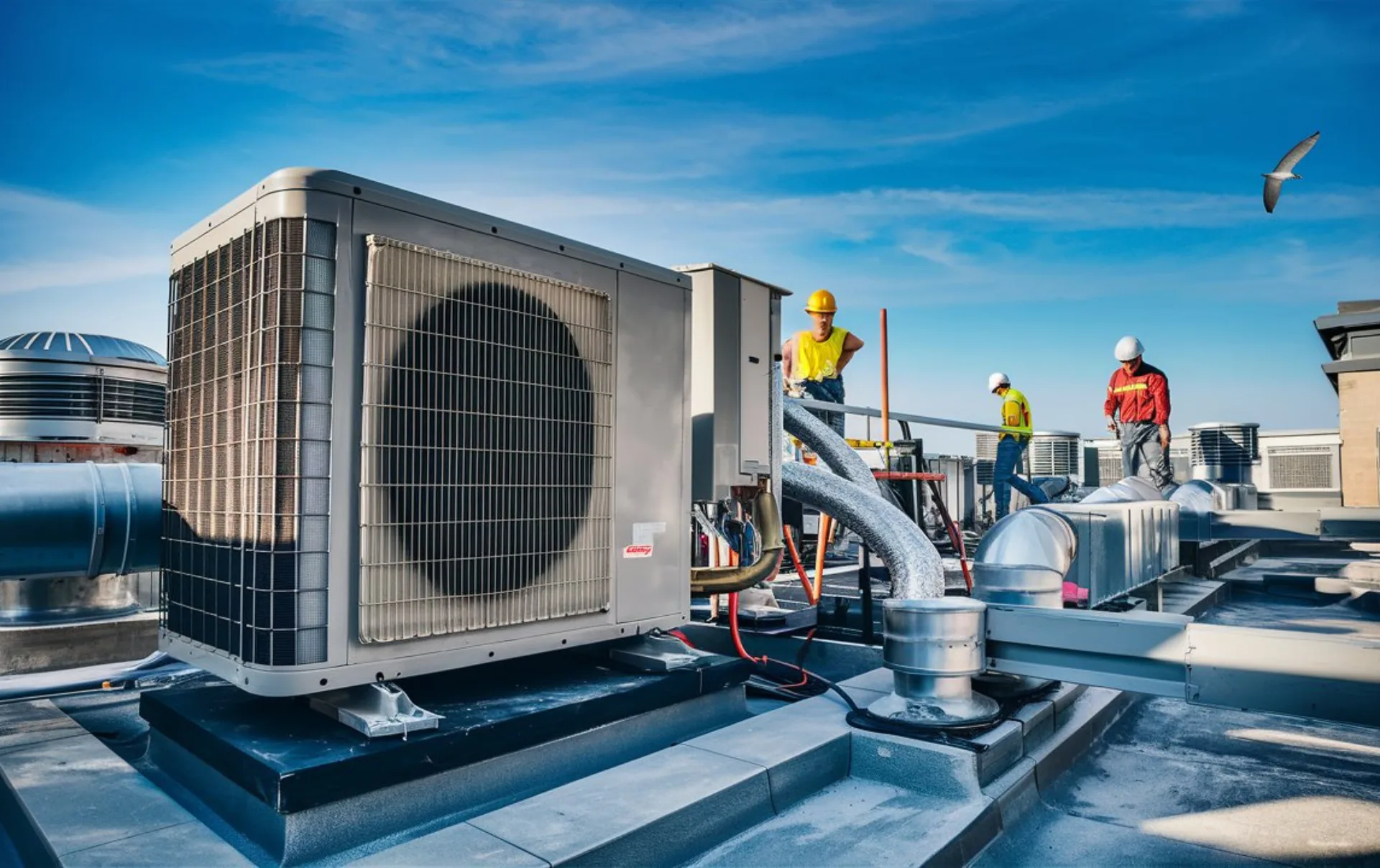
A reliable commercial HVAC system is important for businesses in Fort Worth, where summers are hot, and winters can be surprisingly cold. It keeps your employees and customers comfortable and also reduces energy costs with efficiency.
But the proper commercial HVAC installation ensures the system will work efficiently, without frequent breakdowns which results in high repair costs.
This guide is here to answer all your questions about commercial HVAC installation, covering everything from choosing the perfect HVAC system for you to finding the right HVAC professionals in Fort Worth.
Let’s dive right in.
Choose the Right Commercial HVAC System for Installation
Choosing the right HVAC system for your building is the foundation of a successful commercial HVAC system installation.
And Here’s what you need to consider before selecting any HVAC system:
- Building Size and Layout: Larger buildings, especially those with complex layouts, require systems that can handle multi-zone cooling and heating efficiently.
- Climate Conditions in Fort Worth: With Fort Worth’s hot summers and mild winters, a system that prioritizes cooling efficiency while providing instant heating is the best choice.
- Energy Efficiency Requirements: Always select systems with high Seasonal Energy Efficiency Ratio (SEER) ratings and ENERGY STAR certifications. It will help you to save more on energy bills.
- Budget and Long-Term Costs: Consider both upfront installation costs and long-term operational costs like future maintenance of HVAC systems and energy consumption.
Key Features to Look for in the right HVAC System.
- Advanced Filtration Systems: These improve indoor air quality, which is important for you and employee health and comfort.
- Smart Thermostats for Automation: Smart systems allow you to program temperatures and monitor energy use remotely.
- Zoned Heating and Cooling: Customizable zones help regulate the temperature in different areas of your building.
Pro Tip: Always consult with experienced Commercial HVAC experts to assess your specific needs and they can recommend the best system.
Types of Commercial HVAC Systems for the Buildings.
Understanding the types of HVAC systems available will help you make an informed and right decision when it comes to selecting the best system for your commercial building. In this section, we will discuss the various types of HVAC systems commonly used in commercial buildings and their features.
1. Split HVAC Systems.
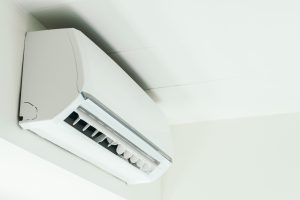
- Ideal For: Smaller buildings.
- Features: Separate indoor and outdoor units.
- Pros: Cost-effective and easier to maintain.
- Cons: Limited to single-zone cooling and heating.
2. Packaged HVAC Systems.
- Ideal For: Medium-sized buildings.
- Features: All components are housed in a single unit, typically placed on the roof.
- Pros: Space-saving and efficient.
- Cons: May not be as customizable as split systems.
3. Variable Refrigerant Flow (VRF) Systems.
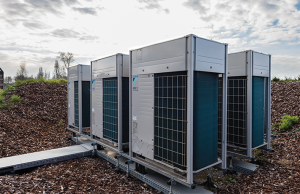
- Ideal For: Large, multi-zone buildings.
- Features: Uses refrigerant to heat or cool individual zones as needed.
- Pros: Highly energy-efficient and flexible.
- Cons: Higher upfront cost and complex installation.
Comparison Table:
System Type |
Ideal For |
Pros |
Cons |
| Split Systems | Smaller buildings | Cost-effective, easy to maintain | Limited zoning capabilities |
| Packaged Systems | Medium-sized buildings | Space-saving, efficient | Less customization options |
| VRF Systems | Large, multi-zone buildings | Energy-efficient, flexible | Expensive upfront, complex |
Pre-Commercial HVAC Installation Checklist
Before installation begins, preparation is crucial to ensure a successful and efficient HVAC installation. By following this pre-commercial HVAC installation checklist, you can avoid potential delays, mistakes, or issues that may arise during the process.
Conduct a Building Assessment
- Check insulation, windows, and existing ductwork for efficiency.
- Identify any areas requiring upgrades to ensure the new system performs optimally.
Define Your Goals
- Are you prioritizing energy efficiency?
- Do you need improved air quality or better temperature control?
Check Local Regulations
- Fort Worth has specific building codes for HVAC systems.
- Ensure all permits are in place to avoid legal issues.
Budget Planning
- Check Factors in equipment costs, labor, and potential upgrades like ductwork or smart thermostats.
Complete Commercial HVAC Installation Process
Step 1: Initial Consultation and Planning
- Site Inspection: HVAC professionals assess your building’s needs. They will inspect your existing system and determine its efficiency, capacity, and overall state. They’ll also take measurements of the space to evaluate the best placement for equipment.
- Detailed Quote: Get a comprehensive estimate, including timelines and costs. Understand the scope of work and any potential challenges that may arise.
Step 2: Equipment Selection and Delivery
- Choose the right system based on the assessment. Consider factors such as the specific requirements of the project, the size and scope of the installation, and any unique environmental conditions that could affect performance.
- Schedule delivery to align with the installation timeline. Plan effectively to avoid delays by coordinating with suppliers and installation teams. Confirm delivery dates in advance and account for potential shipping lead times or unforeseen delays.
Step 3: Commercial HVAC System Installation and Setup
During this step, the HVAC contractor will install or adjust the ductwork to make sure it works seamlessly with your new system. They will also place the indoor and outdoor units in the most efficient locations, ensuring optimal airflow and energy use.
Afterward, the contractor will connect all necessary wiring, including the thermostat and any additional controls, to ensure your system is fully functional.
Step 4: Testing and Calibration
Once the installation is complete, the contractor will thoroughly test the system. This involves checking for any air leaks, ensuring proper airflow, and verifying that the temperature is consistent throughout your home.
If needed, they will fine-tune the system settings to make sure everything is working at peak performance.
Step 5: Final Walkthrough and Training
At the end of the process, the contractor will review the new system with you. They’ll show you how to operate it, explain basic maintenance tasks, and make sure you feel confident using it.
This is also a good time to ask any questions you might have about the warranty or recommended service schedules to keep your system running smoothly for years to come.
Commercial HVAC Installation Challenges
1. Retrofitting older buildings to accommodate modern systems.
Older buildings often weren’t designed to handle today’s more advanced HVAC systems. Their layouts and materials can pose challenges when trying to install modern equipment.
For example, you might encounter limited space, outdated infrastructure, or structural constraints that require creative solutions to make everything fit and function.
2. Aligning ductwork for optimal airflow.
To keep the HVAC system working efficiently, the ductwork needs to be installed correctly. Poor alignment can lead to uneven temperatures, wasted energy, or even system malfunctions. This step takes careful planning and skilled work to ensure proper airflow throughout the building.
3. Delays due to supply chain issues or unforeseen complications.
Sometimes, parts or equipment aren’t readily available due to supply chain problems, which can stall progress. Additionally, unexpected issues—like discovering hidden damage—can crop up during installation. These delays are frustrating, but they can be minimized with good preparation and adaptability.
How to Overcome Them ?
1. Work with experienced HVAC contractors familiar with Fort Worth buildings.
Working with commercial HVAC contractors who understand the unique challenges of Fort Worth’s historic and modern buildings can make the process much smoother. Their local expertise can help anticipate and address potential problems before they arise.
2. Plan ahead and maintain open communication throughout the project.
Having a solid plan and keeping everyone involved on the same page can help things run more smoothly. Clear communication with contractors ensures that expectations are managed, adjustments are made when needed, and everyone is ready to tackle any surprises that might occur.
The Cost of Commercial HVAC Installation in Fort Worth
Factors Influencing Commercial HVAC Installation Costs
- The kind of HVAC system you pick can make costs higher or lower.
- Larger buildings or more complicated installations will likely cost more.
- Adding extra features like energy-saving options or smart thermostats might increase the price but can save money in the long run.
Tips for Saving Money During Installation
- Check if your area offers tax breaks for energy-saving upgrades.
- Compare prices by asking different contractors for quotes.
Commercial HVAC Maintenance Tips
Why HVAC Maintenance Matters
Regular HVAC maintenance is essential to keeping your system running efficiently and reliably. It helps prevent unexpected breakdowns, improves energy savings, and ensures the system lasts for many years. Taking care of your HVAC system means fewer costly repairs and better comfort for the building.
Key HVAC Maintenance Practices
Maintaining your HVAC system doesn’t have to be complicated. Scheduling professional inspections twice a year helps catch small issues before they become big problems. Keeping air filters clean or replacing them every month ensures good airflow and air quality. Addressing repairs quickly also keeps the system working smoothly and saves money in the long run.
Seasonal HVAC Maintenance Checklist
- Summer: Make sure refrigerant levels are correct and check that the cooling system is operating effectively to handle the heat.
- Winter: Inspect heating components to ensure they function properly. Confirm there’s no heat loss by checking insulation around ducts or pipes.
By following these tips, you’ll have a system that’s dependable, energy-efficient, and ready for every season!
How to Find Commercial HVAC Installation Experts in Fort Worth?
Qualities to Look in HVAC Installation Expert
- Look for professionals who have worked with commercial HVAC systems for a long time. Their experience means they can handle complex projects effectively.
- Make sure they have the right licenses and certifications to show they are trained and qualified for the job.
- Check online reviews and customer feedback to see if others had good experiences with their services.
Where to Search Commercial HVAC Expert in Fort Worth
- Read reviews and feedback online to learn from other people’s experiences and make sure they provide good service.
- You can search for trusted experts using business directories, websites like Google or Yelp, or by asking other local business owners for recommendations.
Questions to Ask Before Hiring Any HVAC Expert in Fort Worth
- What experience do you have with similar buildings?
- Do you provide maintenance services post-installation?
- Can you share references from past clients?
Also Read – 10 Facts About Air Conditioning You Didn’t Know
Why Choose R10 Heat and Air for Commercial HVAC Installation
Choosing R10 Heat and Air means you’re partnering with a trusted, experienced team that truly understands the HVAC needs of Fort Worth residents and commercial buildings. Whether you need a new system installed, repairs for an existing unit, or routine maintenance to keep your system running smoothly, we’ve got you covered. Our customer-first approach ensures honest pricing, clear communication, and friendly support every step of the way, so you can feel confident and comfortable in your home.
Conclusion
By following this guide, you can ensure a smooth installation process, maximize system efficiency, and enjoy long-term benefits. For professional assistance, trust R10 Heat and Air – Fort Worth’s trusted HVAC experts.
Ready to get started? Call us today for HVAC needs & consultation!
Frequently Asked Questions About Commercial HVAC Installation
Q1. How much does commercial HVAC installation cost in Fort Worth?
Installation costs range from $15,000 to $50,000 depending on building size and system type.
Q2. How long does a commercial HVAC installation take?
Most projects take 1–3 weeks depending on system complexity and ductwork.
Q3. What permits are required for HVAC installation in Fort Worth?
Commercial HVAC projects usually require city permits and inspections for safety compliance.
Q4. How can businesses prepare for HVAC installation?
Preparing ductwork, scheduling downtime, and working with certified contractors ensures smooth installation.


