

We just finished researching various HVAC cost across Texas. Our R10 Heat & Air team has teamed up to analyze HVAC cost data from more than 653+ zip codes covering the 10 biggest cities in the state of Texas.
We wanted to know what people are really paying for their AC and Heating systems in Texas.
The report answers the big questions like what’s the average HVAC installation cost, typical HVAC repair prices, and how much HVAC maintenance really runs in different Texas cities zip codes.
And today I’m going to share what we found with you.
( So Let’s dive in )
How We Did This HVAC Cost Industry Study?
I want you to know how we got our numbers, so you can trust them. We looked at the data in three simple ways to make sure it’s solid.
1. We went through The Home Depot’s website and looked at their list of finished HVAC jobs across Texas zip codes. This showed us real costs for Installs, Repair, and more, so we could find the average.
2. We searched on Google for costs in each zip code. We took info from blogs by the top 10 HVAC companies in each zip code and calculated the average cost for each factor.
3. Some HVAC cost factors, like HVAC upgrade costs or Hourly AC repair prices which are tricky to find. We used AI tools like ChatGPT and Grok 3 to give us clear, accurate answers directly from search engines databases.
Here is a Summary of Our Key Findings On HVAC Cost:
1. We discovered that Plano is the most expensive city in Texas for installing a new HVAC system at $13,250, while residents in Lubbock are paying the cheapest rates at $4,862.
2. Average HVAC repairs cost in Houston and Arlington can go over $450, while surprisingly, Plano offers some of the cheapest HVAC repair rates, ranging from $90 to $328.
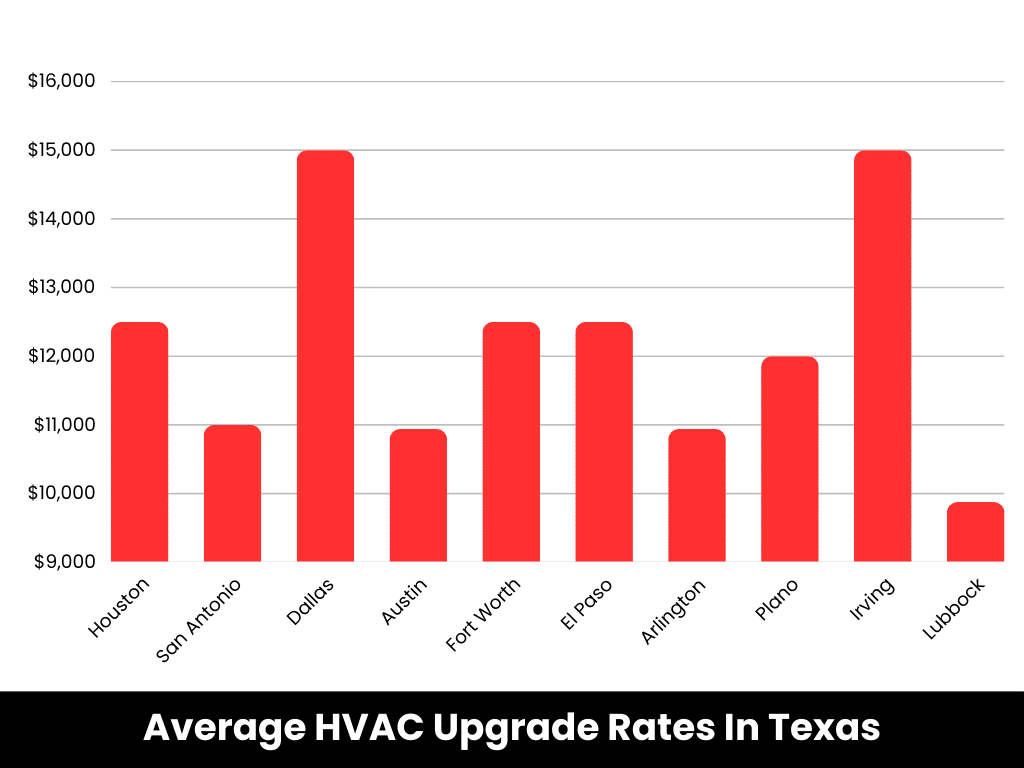
3. We found people living in Dallas and Irving paying the biggest price range for upgrading HVAC systems, with costs going from $5,000 to $15,000.
4. Fort Worth has the lowest HVAC maintenance cost in Texas starting at just $89 to $325, While people living in Houston pay almost $249 to $600 per year.
5. Our data shows that Austin residents are paying the highest Hourly AC Repair labor costs in Texas, ranging from $160 to $250 per hour.
6. We found that most people living in Texas pay between $114 and $186 per hour for AC repair work.
7. The average cost to install a new HVAC system across 653+ Texas ZIP codes is $9,675.49, with prices changing a lot depending on each City & type of HVAC System.
The Texas Cities & Zip Codes With Complete HVAC Cost Comparison Table.

Read Detailed Data and Information of our Real HVAC Cost Findings.
Explore our comprehensive analysis of real HVAC costs after analyzing 653+ Zip Codes in Texas.
Which are the most expensive & cheapest cities for HVAC installation in Texas?
After analyzing pricing data across Texas, we found surprising variations in HVAC installation costs. The difference between the most expensive and cheapest cities is staggering – nearly $8,400!
Here’s the list of Top 4 Most Expensive Cities: Plano – $13,250 , Houston – $12,416 , Fort Worth – $11,814 , Dallas – $11,596.
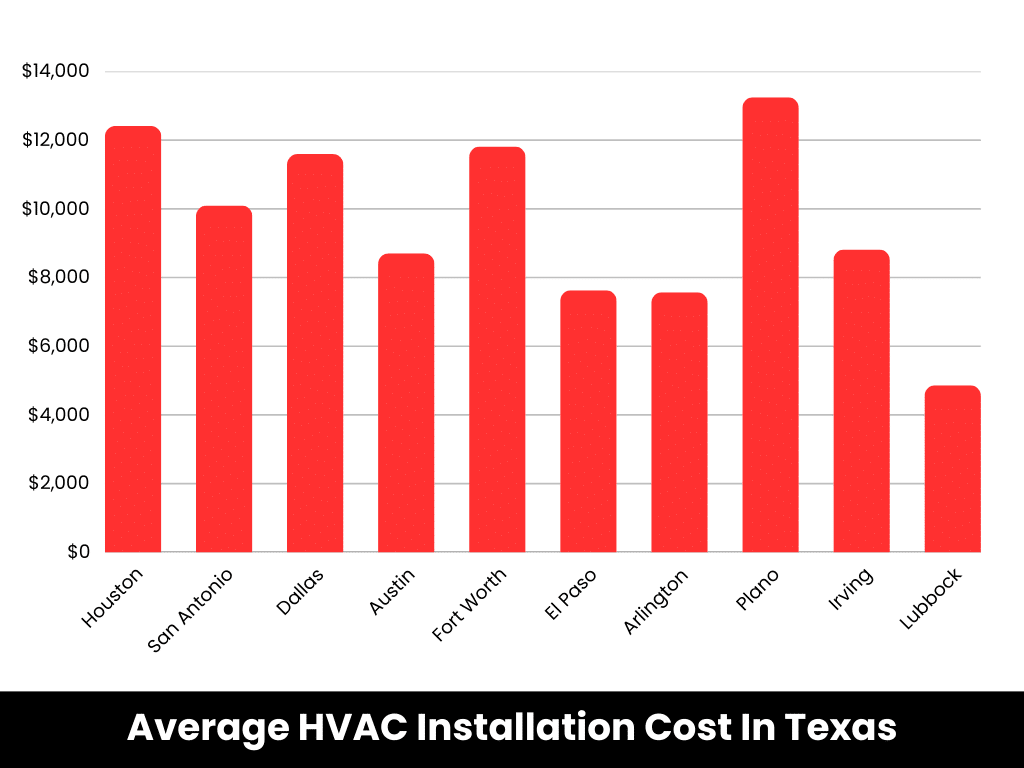
Key takeaway: We discovered that Plano is the most expensive city in Texas for installing a new HVAC system at $13,250, while residents in Lubbock are paying the cheapest rates at $4,862.
Which cities are paying most for complete HVAC repair in Texas?
When it comes to HVAC repairs, we found not every Texas city is priced the same. Some spots will really hit your wallet if you’re a resident of Texas.
Here’s what we found: Houston $175 and $452, Arlington $150 to $450 , Austin $155 to $350, Fort Worth comes in at $145 to $350. Dallas is a little lighter at $117 to $228.
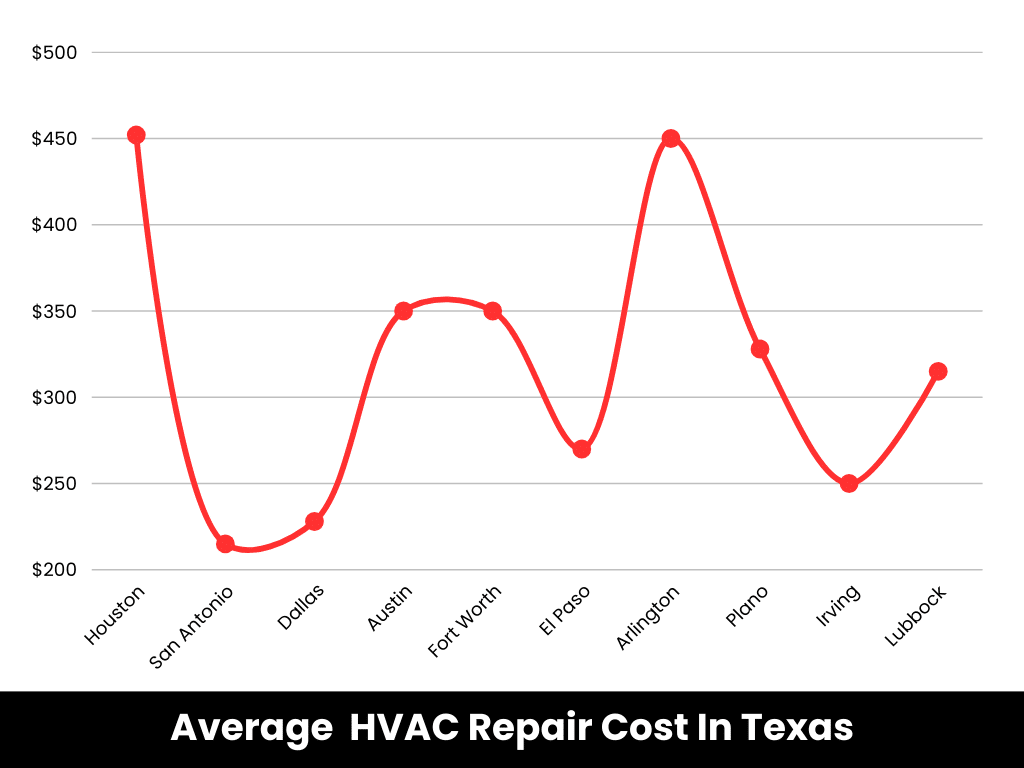
Key Takeaway: On average, HVAC repairs in Houston and Arlington can go over $450. But surprisingly, even though Plano is the most expensive city for new installs, it actually offers some of the cheapest repair rates around — between $90 and $328.
Which cities are paying most HVAC upgrade rates in Texas?
Our analysis of 653+ zip codes across Texas revealed a surprising range in HVAC upgrade costs. The difference between the highest and lowest rates is eye-opening!
Top Cities with Highest HVAC Upgrade Costs:
Plano — $13,250 , Houston — $12,416 , Fort Worth — $11,814 , Dallas — $11,596, Lubbock — $4,862. That’s a difference of almost $8,400 between the highest and lowest cities!
Which cities in Texas pay the highest for HVAC maintenance plans in a single year?
When it comes to keeping your HVAC system running smoothly, Texas residents are paying out very different amounts for yearly HVAC maintenance. Some cities are charging a whole lot more than others.
Top Cities with Highest HVAC maintenance plans:
Houston — $249 to $600, Austin — $150 to $450 , El Paso — $96 to $456 , Dallas — $175 to $350, San Antonio — $200 to $350
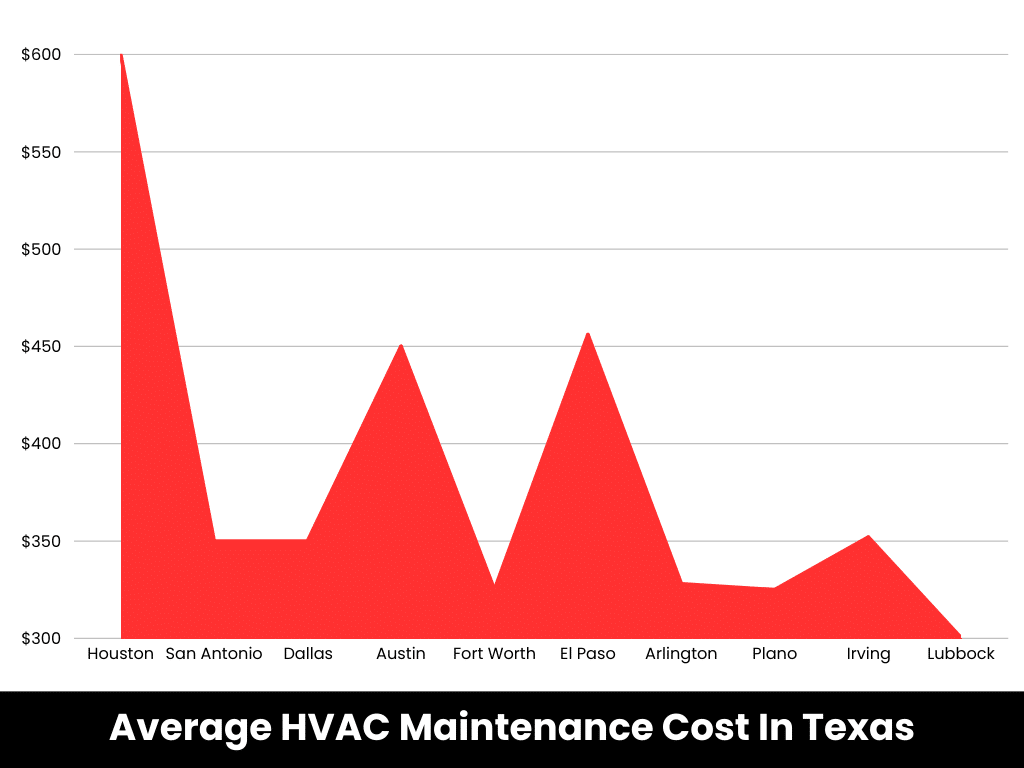
Key Takeaway: If you live in Houston, you’re paying the highest price for HVAC maintenance, with some plans hitting $600 a year. But in Fort Worth and Plano, you can kick off a plan for as little as $89.
Which cities are going to spend most on AC repair labor costs this Summer?
After digging into AC repair labor rates across 653+ Texas ZIP codes, we spotted some eye-opening numbers. If you’re calling for repairs this summer, where you live could seriously affect what you pay by the hour.
Top Cities with Highest AC repair labor cost ( Hourly basis )
Austin — $160 to $250 per hour , Fort Worth — $150 to $250 , Arlington — $100 to $250 , El Paso — $130 to $158 , Lubbock — $119 to $151 , Irving and Plano offer the lowest hourly repair rates in Texas, both ranging from $75 to $150.
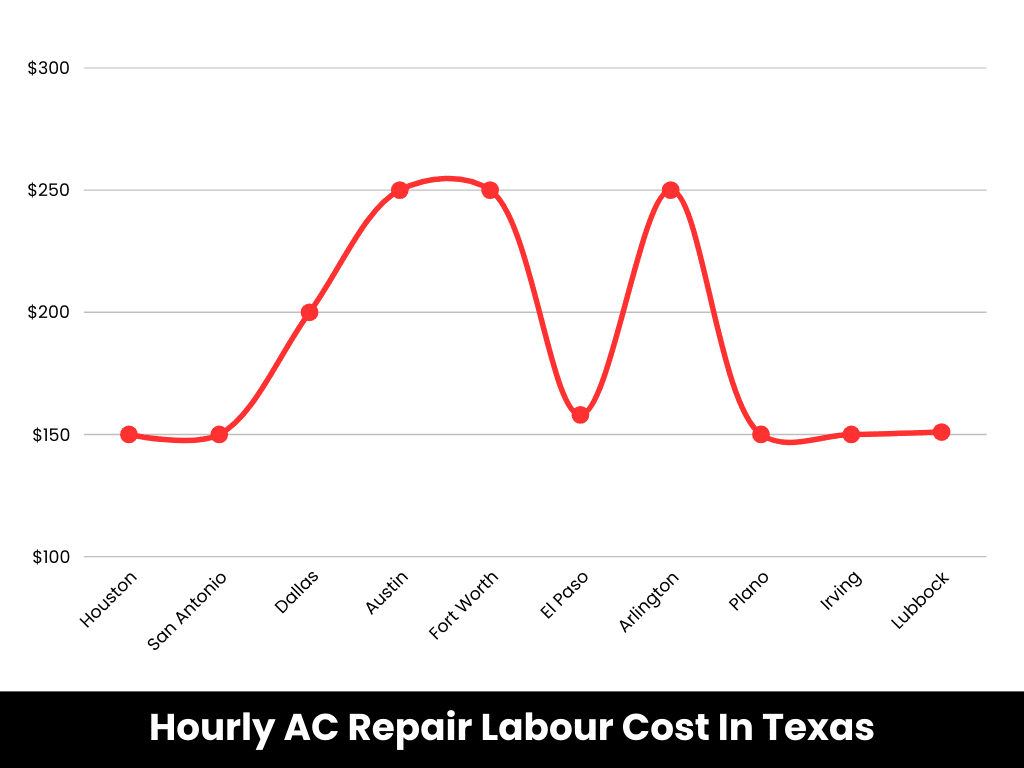
Key Takeaway: if you’re in Austin or Fort Worth, expect to pay the highest labor rates for AC repairs this summer. Meanwhile, Irving and Plano residents are getting the most budget-friendly deals on hourly rates.
How to Choose the Best HVAC Solutions for Your Needs?
When it comes to heating and cooling your home, there’s no one-size-fits-all answer. Every house is different. Every budget’s different. And every city in Texas brings its own weather challenges.
So if you’re thinking about replacing, upgrading, or just taking better care of your HVAC system, here’s a detailed, step-by-step guide to help you out.
1. Figure Out Your Home’s HVAC Needs
Before you spend a dime, take a good look at what your home actually needs. Is your old unit on its last leg? Are you dealing with frequent breakdowns or sky-high energy bills? Or maybe you just want a more energy-efficient option before the next Texas heatwave rolls in.
Key Questions You can ask to you!
1. How old is my current HVAC system?
2. Am I having frequent repairs?
3. Are some rooms hotter or colder than others?
4. Have my energy bills spiked lately?
2. Pick the Right Type of HVAC System
There’s more than one kind of HVAC system out there. And picking the wrong one can mean wasted money and poor performance.
Let’s break down your main options:
1. Central Air Conditioning & Heating: The most common choice for larger homes. It cools and heats your entire house through ductwork.
2. Ductless Mini-Splits: Great for homes without existing ducts or for adding extra climate control in certain rooms.
3. Heat Pumps: Energy-efficient and perfect for moderate Texas winters. They cool in summer and heat in winter.
4. Window or Portable Units: Best for small apartments or single rooms, but not a long-term fix for a whole home.
Pro Tip: Check the SEER rating (Seasonal Energy Efficiency Ratio). The higher the number, the more efficient the system — which means lower monthly bills.
3. Hire a Trustworthy HVAC Company
Not all HVAC companies are created equal. You want one that’s licensed, insured, and has a track record of good reviews. Avoid the cheapest bid if it sounds too good to be true because it usually is.
What to look for:
1. Proper licensing and insurance.
2. Great online reviews and local recommendations.
3. Experience with your type of HVAC system.
4. Clear, upfront pricing.
Bonus Tip: Ask if they offer warranties on labor and parts. That’s a good sign they stand behind their work.
4. Get a Regular HVAC Maintenance Plan
Even the best HVAC system needs regular care. Skipping maintenance is one of the fastest ways to end up with surprise breakdowns especially during a Texas summer.
A good maintenance plan should include:
1. Seasonal check-ups (spring and fall)
2. Filter changes
3. System cleaning
4. Safety inspections
Most plans also offer priority service and discounts on repairs, which can save you a lot in the long run.
5. Always Shop Around for Free Estimates
Don’t just settle for the first quote you get. Call at least three local HVAC contractors. Most companies offer free estimates, and comparing a few will give you a better sense of fair pricing in your area.
When comparing estimates, check:
1. Total system price
2. Warranty terms
3. Service guarantees
What’s included (like permits, removal of old equipment, or thermostat upgrades)
Conclusion
After analyzing through pricing data from over 653+ ZIP codes across Texas, one thing’s clear HVAC costs aren’t the same everywhere. From sky-high installation prices in Plano to budget-friendly repair rates in Lubbock, where you live makes a big difference in what you’ll pay for heating and cooling services.
If there’s one takeaway from this study, it’s this: always compare your options. Check prices, ask for free estimates, and choose the right HVAC system for your home’s size, your lifestyle, and your budget. And don’t skip regular maintenance — it’ll save you stress and money down the road, especially during those brutal Texas summers.
Frequently Asked Questions About HVAC Cost
Q1. What is the average HVAC installation cost in Texas?
A: On average, Texas homeowners pay between $5,000–$12,000 for a full HVAC installation, depending on the size of the home and system efficiency.
Q2. Why do HVAC costs vary across Texas zip codes?
A: Prices differ due to local labor rates, cost of living, and demand in urban vs rural areas.
Q3. Is HVAC more expensive in cities like Austin and Dallas?
A: Yes, larger cities typically have higher labor rates, making HVAC installation and repair more expensive compared to smaller towns.
Q4. How can homeowners save on HVAC costs in Texas?
A: Getting multiple quotes, choosing energy-efficient units, and using seasonal rebates can reduce total costs.


