

If you’re considering replacing your HVAC system, you’re probably bracing yourself for the cost. Here’s the good news—the right HVAC system can improve comfort, increase energy efficiency, and even enhance air quality in your home or building. But, let’s talk numbers. The average HVAC Replacement Cost in 2025 is around $7,500, with most projects falling between $5,000 and $12,500.
This complete guide breaks down the costs, factors that impact pricing, and tips to help you make an informed decision about your HVAC replacement.
How Much Does an HVAC Replacement Cost?
HVAC replacement costs vary depending on the system’s size, features, and your specific needs. A typical replacement ranges from $5,000 to $11,500, but there’s a lot more to it than meets the eye.
Full Breakdown of HVAC Replacement Cost in 2025.
Replacing an HVAC system can feel overwhelming, but it’s actually pretty straightforward once you break it down. Think of it as swapping out key parts that work together to heat and cool your home. Here’s a basic setup for a common system and what it might cost:
1. The condenser is the outdoor unit that cools air. A basic one runs around $1200 wholesale.
2. The furnace is what heats your home. A mid-range option is about $1000.
3. The evaporator coil works with the condenser to cool air indoors. This part costs about $400.
4. The lineset connects the indoor and outdoor units—about $175.
5. PVC pipes are used for venting, priced roughly at $75.
6. Small parts like a disconnect, whip, and condenser pad—these are needed for installation and cost about $50.
7. A thermostat helps control your system, typically costing around $40 for standard ones.
8. Miscellaneous items like screws and wires add up to about $50.
9. Extra refrigerant might be needed for cooling, costing about $20.
10. Permits vary a lot depending on where you live, but $100 is a general guide.
11. Labor costs for professional installers are a big part of the total—around $1200 for a day’s work with two installers.
When you add everything up, the total wholesale cost for just the parts and labor is about $4310. But keep in mind, this doesn’t include things like company overhead, taxes, or profit, which is why the final quoted price from a professional could be much higher.
On the lower end, this kind of setup would be considered basic to mid-range quality, but it’s fully capable of heating and cooling your home efficiently
What Factors Affect HVAC Replacement Cost?
When it comes to replacing an HVAC system, understanding the key factors influencing the cost is essential. Let’s break them down:
1. System Size & Type: The size of your HVAC system needs to match your home’s heating and cooling demands. A larger home requires a bigger system, which naturally costs more. Additionally, certain types of systems, like heat pumps or ductless mini-splits, tend to be pricier due to advanced technology and versatility.
2. Energy Efficiency: Energy-efficient systems come with higher upfront costs because of advanced components and higher SEER (Seasonal Energy Efficiency Ratio) ratings. However, they’re designed to save you money in the long run by using less energy to heat or cool your home, resulting in lower utility bills.
3. Installation Complexity: Installing a new HVAC system isn’t always straightforward. If your home has older ductwork, limited access to certain areas, or structural challenges, the installation will take longer and require more resources, which can increase the total cost.
4. Labor HVAC Replacement Cost : Not all labor costs are the same. Depending on where you live, labor rates may vary significantly. On top of that, experienced HVAC installers may charge more, but their expertise ensures the job is done efficiently and correctly.
5. Permits & Fees: Before installing a new HVAC system, some local governments require permits to ensure everything meets building codes and standards. These permit fees can slightly add to your total expenses but are necessary for safe and legal installation.
6. Additional Features: Want a smart thermostat to effortlessly control the temperature or an air purifier to improve indoor air quality? Features like these, along with zoning systems for customized comfort, can add convenience and value to your HVAC system, but they do come at an additional cost.
7. Brand & Model: Just like cars, HVAC brands and models vary widely in price. Premium brands or models with cutting-edge features might cost more, but they often deliver better performance and reliability, making them a worthwhile investment for many homeowners.
Choosing the right HVAC system is about balancing these factors with your budget and long-term needs. By understanding what affects the price, you can make an informed decision that’s perfect for your home and comfort goals!
How often should HVAC be replaced?
1. 0-5 Years Monitor and Maintain- During the first few years of your HVAC system’s life, it’s all about regular upkeep to keep everything running smoothly. Simple tasks like changing air filters every 1-3 months, cleaning the unit, and scheduling annual tune-ups can make a world of difference. Proper HVAC maintenance helps the system perform at its best, ensures energy efficiency, and most importantly, prevents small issues from becoming costly repairs. Think of it like getting an oil change for your car – it’s a small investment that pays off in the long run!
2. 5-10 Years Assess Efficiency- Once your system hits the 5-to-10-year mark, it’s time to pay closer attention to its performance. If you notice your energy bills creeping up or the system struggling to maintain consistent temperatures, it might be losing efficiency.
This doesn’t necessarily mean you need to replace it right away, but taking note of these signs and having a professional inspection can help you understand whether repairs or adjustments are needed. Being proactive now can save you from bigger headaches later.
3. 10-15 Years Consider Replacement – At 10-15 years old, your HVAC system is reaching the twilight of its expected lifespan. This is the point where repairs may start becoming more frequent and costly. While the system might still be operational, it’s worth evaluating whether upgrading to a newer, energy-efficient model could save you money in the long term.
Modern systems not only cut down on energy use but often come with advanced features like smart thermostats and improved air quality options – a definite win for comfort and convenience.
4. 15+ Years Replacement Likely – Once your HVAC system passes the 15-year mark, it’s living on borrowed time. Older systems tend to struggle with efficiency, reliability, and keeping up with the demands of your home. At this point, repairs might be more trouble than they’re worth, and replacing the system is usually the best option.
A modern HVAC system will not only lower your energy bills but also provide better performance and contribute to a more comfortable living environment. Remember, investing in a replacement now can save you from sudden breakdowns, especially during extreme weather conditions!
If you’re unsure about your system’s condition, don’t hesitate to reach out to a professional HVAC contractor. We’re here to guide you through every step of the process, ensuring your home stays comfortable year-round!
Complete cost to replace HVAC system by size.
When it comes to replacing an HVAC system, understanding the cost breakdown by size is essential to making an informed decision.
| System Size (Tons) | Home Size (Sq. Ft.) | Average Cost Range |
| 1.5 | 600-1,000 | $3,000 – $6,000 |
| 2 | 1,000-1,400 | $4,000 – $8,000 |
| 2.5 | 1,400-1,800 | $5,000 – $10,000 |
| 3 | 1,800-2,200 | $6,000 – $12,000 |
| 3.5 | 2,200-2,600 | $7,000 – $14,000 |
| 4 | 2,600-3,000 | $8,000 – $16,000 |
| 5.0+ | 3,000+ | $10,000+ |
The table above provides a clear and comprehensive guide to help homeowners estimate the investment required based on their home’s size and the tonnage needed for effective heating and cooling.
Smaller homes, ranging from 600 to 1,000 square feet, may require a 1.5-ton system, which typically costs between $3,000 and $6,000. As the home size increases, so does the system size and cost.
For example, a 3-ton system suitable for a 1,800 to 2,200 square foot home could range from $6,000 to $12,000. Larger homes exceeding 3,000 square feet may need upwards of a 5-ton system, with costs starting at $10,000.
These ranges highlight the importance of tailoring the HVAC system to your home’s specific needs to ensure maximum comfort and efficiency.
HVAC unit replacement cost with table.
This table is designed to give you a quick and easy look at common HVAC options, their capacities, and average installation costs.
Whether you’re considering a central air conditioner, a ductless mini-split system, a furnace, or even an energy-efficient heat pump, you’ll see a range of sizes (measured in tons or BTU) and price points to fit various needs.
For example, a central air unit is ideal for consistent cooling across an entire house, while ductless mini-splits offer flexibility for individual rooms.
If heating is your focus, furnaces and heat pumps provide reliable solutions with different energy sources to choose from, such as gas, oil, or electricity. Remember, the initial cost may vary depending on installation specifics, but investing in the right system promises comfort all year round!
| HVAC Unit Type | Size (Tons) | BTU | Average Cost (Installed) |
| Central Air Conditioner | 1.5 | 18,000 | $2,000 – $5,000 |
| Central Air Conditioner | 2 | 24,000 | $2,500 – $5,500 |
| Central Air Conditioner | 2.5 | 30,000 | $2,700 – $6,000 |
| Central Air Conditioner | 3 | 36,000 | $3,000 – $6,500 |
| Central Air Conditioner | 3.5 | 42,000 | $3,100 – $7,000 |
| Central Air Conditioner | 4 | 48,000 | $3,500 – $7,500 |
| Central Air Conditioner | 5 | 60,000 | $4,000 – $8,000 |
| Ductless Mini-Split | 1 | 12,000 | $3,000 – $7,000 |
| Ductless Mini-Split | 1.5 | 18,000 | $3,500 – $8,000 |
| Ductless Mini-Split | 2 | 24,000 | $4,000 – $9,000 |
| Ductless Mini-Split | 2.5 | 30,000 | $4,500 – $10,000 |
| Electric Furnace | Up to 100,000 BTU | $2,000 – $5,400 | |
| Gas Furnace | Up to 100,000 BTU | $2,000 – $5,400 | |
| Oil Furnace | Up to 100,000 BTU | $3,325 – $8,222 | |
| Air-Source Heat Pump | 2-5 Tons | $3,800 – $8,200 | |
| Geothermal Heat Pump | 2-5 Tons | $15,000 – $35,000 |
HVAC coil replacement cost with table.
The cost of replacing a coil depends on whether you’re dealing with an evaporator coil (inside the system) or a condenser coil (outside the system), as well as the size of your HVAC system, measured in tons. Evaporator coils tend to be slightly less expensive, while condenser coils typically cost more due to their location and design.
The table outlines both the unit cost range (for the coil itself) and the total cost range, which includes installation and any additional labor.
For example, a 2.5-ton system replacing an evaporator coil could cost between $650 and $2,100, whereas replacing the condenser coil on the same system ranges from $900 to $2,700.
Whether you’re planning for a repair or replacement, this table can help you better understand what to expect in terms of pricing!
| System Size (Tons) | Coil Type | Unit Cost Range | Total Cost Range |
| 1.5 – 2.0 | Evaporator | $200 – $900 | $600 – $2,000 |
| 1.5 – 2.0 | Condenser | $300 – $1,200 | $800 – $2,500 |
| 2.5 | Evaporator | $250 – $1,200 | $650 – $2,100 |
| 2.5 | Condenser | $350 – $1,400 | $900 – $2,700 |
| 3 | Evaporator | $300 – $1,400 | $700 – $2,350 |
| 3 | Condenser | $400 – $1,600 | $1,000 – $3,000 |
| 3.5 | Evaporator | $350 – $1,500 | $750 – $2,500 |
| 3.5 | Condenser | $450 – $1,800 | $1,100 – $3,300 |
| 4 | Evaporator | $400 – $1,600 | $800 – $2,600 |
| 4 | Condenser | $500 – $2,000 | $1,200 – $3,600 |
| 5.0+ | Evaporator | $450 – $1,700 | $900 – $2,700 |
| 5.0+ | Condenser | $550 – $2,200 | $1,300 – $4,000 |
What are the benefits of replacing your HVAC System?
Now we’ll go over some of the top reasons why investing in a new HVAC system can be beneficial for you and your home.
1. Lower Energy Bills: With a modern system, you’ll notice significant savings on your monthly energy bills. Newer systems are designed to use less energy while still keeping your home comfortable. Tip: Look for energy-efficient models with a high SEER rating!
2. Improved Comfort: Forget uneven temperatures! Modern systems ensure your home stays at a consistent and cozy temperature year-round. Advice: Choose a system that suits your home’s size for optimal comfort.
3. Enhanced Indoor Air Quality: Many upgraded HVAC systems come with advanced filtration that reduces allergens, dust, and pollutants. Suggestion: Ask about filters or purification options to improve your air quality even more.
4. Reduced Maintenance Costs: Newer systems are built to last and require fewer repairs. This means less stress for you! Tip: Keep up with annual maintenance checks to extend your system’s lifespan.
5. Increased Home Value: A new HVAC system is a fantastic feature for potential buyers. Advice: Investing in energy-efficient equipment can make your home stand out in the real estate market.
6. Peace of Mind: Say goodbye to unexpected breakdowns! Modern systems are more reliable and durable. Suggestion: Consider a system with a robust warranty for added security.
7. Government Incentives: You can often receive tax credits or rebates for upgrading to energy-efficient systems. Tip: Check local and federal programs to see how much you can save upfront!
8. Quieter Operation: Modern HVAC systems run much quieter than older models, creating a more peaceful environment in your home. Advice: Look out for sound ratings when picking your system.
9. Improved Humidity Control: Say hello to year-round comfort! Many new systems excel at maintaining the right level of humidity in your space. Suggestion: Ask about add-ons like humidifiers or dehumidifiers if needed.
10. Modern Technology: With features like smart thermostats and zoning systems, you can control your home’s climate with ease. Advice: Explore systems that allow smartphone control for convenience on the go.
Upgrading your HVAC system not only enhances your comfort but also adds value, savings, and ease to your daily life. Feel free to reach out for personalized advice—we’re here to help!
Repair or Replace Your HVAC System: Which is the Best Option?
When deciding between repairing or replacing your HVAC system, it’s all about weighing the pros and cons to find the best fit for your home and budget. Repairs are great for quick fixes, especially if your system is fairly new and the issue is small.
They can save you money upfront, but keep in mind that frequent breakdowns can quickly add up over time. Older systems are less energy-efficient, so those repair costs might not be worth it in the long haul.
On the other hand, replacing your HVAC system is a smarter long-term investment. While the upfront cost may seem high, new systems offer much better energy efficiency, leading to lower utility bills.
Plus, modern HVAC units improve indoor air quality and keep your home more comfortable year-round. If your system is over 10-15 years old, replacement is likely the best choice to save you time, money, and headaches down the road.
My advice? Think about your budget, the system’s age, and your comfort needs to make the best decision!
Tips To Calculate New HVAC Installation Cost?
Now we’ll discuss some tips to help you calculate the cost of your new HVAC installation accurately.
1. Get multiple quotes: Always get estimates from at least three trusted HVAC companies. This helps you compare prices and ensures you’re getting a fair deal. It also allows you to see who offers the best service.
2. Compare apples to apples: When you look at the quotes, make sure they’re for the same size and type of system, with the same included features and installation work. This way, you’re making a true comparison.
3. Factor in energy efficiency: High-efficiency systems might cost more upfront, but they use less energy over time, which saves you money on your utility bills. Think of it as an investment in future savings.
4. Inquire about warranties: Check what parts and labor are covered by the warranty. A good warranty can save you a lot of money if something goes wrong with your system later.
5. Check for financing options: Many companies offer financing plans to help spread out the cost of a new HVAC system. This makes it easier to afford what you need without a big upfront payment.
6. Consider professional installation: Installing your HVAC system is not a DIY project. Professional installers make sure the job is done safely and correctly. Plus, DIY attempts can void your warranty or cause other issues.
7. Factor in potential upgrades: Think about adding extras such as a zoning system (which controls temperatures in different rooms) or a smart thermostat (which learns your habits and saves energy).
8. Don’t forget maintenance costs: Your HVAC system will need regular check-ups, just like your car. Add these costs to your budget so you’re prepared.
9. Verify licensing and insurance: Always hire a contractor who is licensed and insured. This protects you if something goes wrong and ensures the work is up to code.
How much does it cost to replace an HVAC valve?
One of the most common components that may need replacement is your HVAC valve. HVAC valves are vital for efficiently regulating airflow and ensuring your system operates at peak performance.
What’s the cost?
Replacing an HVAC valve typically costs between $300 and $800, which includes both parts and labor. The price can vary depending on a few factors such as the type of valve, your HVAC unit’s brand, and your technician’s expertise.
How much does it cost to replace HVAC ductwork?
Ductwork is another vital part of your HVAC system, enabling the proper distribution of air throughout your home or building. Over time, ductwork can wear out or become inefficient, requiring replacement to maintain optimal performance.
What’s the cost?
Replacing HVAC ductwork can cost between $1,400 and $5,600. The final price depends heavily on the size of your property and the complexity of the project.
HVAC and Smart Home Appliances Integration Costs
Thinking about making your home smarter by integrating your HVAC system with smart appliances? Let’s break down the costs so you know what to expect.
Smart Thermostats Integration
Smart thermostats such as Nest, Ecobee, and Honeywell make it easier to manage your home’s temperature while adding a touch of convenience to your daily life. These devices come with handy features like programmable schedules to fit your routine, remote access through smartphone apps for control on the go, and even learning capabilities that adjust automatically to your habits, making your home more comfortable and energy-efficient.
Zoning Systems Integration
Imagine being able to customize the temperature in every part of your home—zoning systems make this possible. A zoning system works by dividing your home into separate heating and cooling areas (also called “zones”), each with its own thermostat.
This means rooms like your kitchen, bedrooms, or home office can maintain different temperatures based on their specific needs. For instance, if you love a cool bedroom for sleeping but prefer a toasty living room during the day, a zoning system ensures you get both without wasting energy.
This setup not only boosts comfort but also helps save energy. Since you’re only heating or cooling the areas you use, there’s less strain on your HVAC system, resulting in lower energy bills.
Installation involves motorized dampers in your ductwork that direct air to the zones controlled by separate thermostats. While it’s an upfront investment, ranging from $1,500 to $3,500, the long-term savings and increased comfort often make it worth every penny.
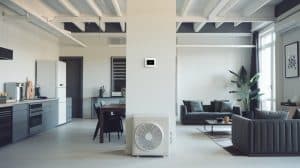
Smart Sensors and Monitors Integration
Smart sensors are the hardworking assistants of the modern HVAC system. These little devices monitor various aspects of your indoor air, from temperature and humidity to air quality levels.
They detect changes in the environment and send data directly to your phone or smart hub, letting you know if your indoor air isn’t as fresh as it should be or if your filter needs replacing.
Not only do smart sensors keep you informed, but they also take action. For example, some systems can automatically adjust airflow or activate purification features based on the data these sensors collect.
This can be especially helpful if someone in your household has allergies or sensitivities to dust or pollen. With costs ranging between $50 to $200 per sensor, they’re a cost-effective way to elevate the functionality and efficiency of your HVAC system while improving indoor air quality.
Smart HVAC Apps and Voice Control Integration
We live in a world where controlling your home’s temperature is as easy as sending a text or speaking a few words. Smart apps allow you to manage your HVAC system remotely through your smartphone or tablet.
Forgot to turn off the AC before leaving for work? No problem—you can adjust it from anywhere. These apps often include features like scheduling, real-time temperature monitoring, and energy-efficiency tips.
On the other hand, voice control takes convenience to the next level. Simply saying “Alexa, set the living room to 72 degrees” is enough to adjust your thermostat, without even lifting a finger.
Voice integration is compatible with popular systems like Amazon Alexa, Google Assistant, and Apple HomeKit. While these features are often bundled with modern smart devices, you may encounter subscription fees for certain advanced app features or cloud storage for system data. Regardless, this technology is a game-changer for convenience and control.
DIY HVAC replacement vs Hiring HVAC Pro.
1. DIY: Lower upfront cost but risk of costly mistakes, time-consuming, requires technical skills, may void warranty, potential safety risks, less peace of mind.
2. Hiring a Pro: Higher upfront cost but long-term savings, faster, no skills required, preserves warranty, safer, greater peace of mind.
| Feature | DIY | Hiring a Pro |
| Cost | Lower upfront, potential for higher costs due to mistakes | Higher upfront, potential for long-term savings due to efficiency and reduced repairs |
| Time | More time-consuming | Faster and more efficient |
| Skill Level | Requires significant technical knowledge and skills | Requires no specialized skills |
| Warranty | May void manufacturer’s warranty | Preserves manufacturer’s warranty and often includes a workmanship warranty |
| Safety | Potential safety risks due to working with refrigerant and electrical systems | Safer due to professional training and safety protocols |
| Peace of Mind | Less peace of mind due to potential for errors and complications | Greater peace of mind due to professional expertise and warranty coverage |
Financing Tips for HVAC Installation & Replacement
1. Explore Financing Options: Many HVAC companies offer their own financing programs, which can be a convenient option. Some also work with trusted lenders like GreenSky or Synchrony Bank. These lenders often provide flexible repayment plans, making it easier to afford your new HVAC system without paying for it all at once.
2. Compare Interest Rates: When looking at financing options, don’t just go with the first offer. Spend time comparing interest rates and repayment terms from multiple lenders. A lower interest rate means you’ll pay less money over time, so it’s worth finding the most affordable deal.
3. Consider a Home Equity Loan: If you own a home and have built up good equity, you might qualify for a home equity loan or line of credit. These types of loans often have lower interest rates compared to other options, making them a cost-effective way to finance your HVAC project.
4. Factor in Energy Savings: A new, high-efficiency HVAC system can dramatically reduce your energy bills over time. Add up those potential savings and think of them as part of your investment. This will help you see how upgrading your system can pay for itself in the long run.
5. Read the Fine Print: Before signing anything, make sure you fully understand the details of your financing agreement. Pay attention to the interest rate, any extra fees, and whether you’ll be charged penalties for paying off the loan early. Knowing these details will help you avoid surprises later on.
By understanding and applying these tips, you’ll be better prepared to finance your HVAC installation or replacement in a way that fits both your needs and your budget!
How to Find the Best Local HVAC Company & HVAC Replacement Cost.
1. Read Online Reviews: Check online platforms like Google, Yelp, and HomeAdvisor for customer reviews and ratings.
2. Get Multiple Quotes: Obtain quotes from at least three different reputable HVAC companies to compare prices and services.
3. Verify Licensing and Insurance: Ensure the company is properly licensed and insured to operate in your area.
4. Check for Warranties and Guarantees: Inquire about warranties on both the equipment and labor, as well as any guarantees on performance and satisfaction.
5. Ask About Experience: Inquire about the company’s experience with specific types of systems and your particular needs.
Why choose R10 Heat and Air for your HVAC Replacement in Fort Worth ?
Choosing R10 Heat and Air for your HVAC replacement in Fort Worth offers several key advantages. Their team of experienced technicians are highly skilled in installing and servicing a wide range of systems, ensuring efficient and reliable operation.
R10 is known for its commitment to customer satisfaction, providing personalized service and transparent pricing. They often offer competitive pricing and financing options to make your HVAC replacement more affordable.
Additionally, they prioritize using high-quality, energy-efficient equipment that can help you save on energy costs in the long run. With R10 Heat and Air, you can expect professional service, competitive pricing, and peace of mind knowing your home’s comfort is in good hands.
Conclusion
Replacing your HVAC system in 2025 is more than just an upgrade—it’s a way to ensure your home or building stays comfortable, efficient, and environmentally responsible.
By understanding the costs, considering your needs, and planning ahead, you’ll make an investment that pays dividends in energy savings and long-term comfort.
If you’re feeling overwhelmed by the options or simply uncertain where to begin, start by reaching out to a trusted HVAC service provider. Request a free in-home consultation, and discover how you can create a cozy and efficient environment for years to come.
Frequently Asked Questions About HVAC Replacement Cost
Q1. What is the average cost of HVAC replacement in 2025?
The average cost ranges from $7,500 to $15,000 depending on system type, size, and efficiency.
Q2. Why are HVAC replacements more expensive in 2025?
Rising labor rates, advanced efficiency standards, and material costs have increased replacement prices.
Q3. Is financing available for HVAC replacements?
Yes, most Fort Worth HVAC companies offer financing plans and seasonal promotions.
Q4. How do I know if replacement is better than repair?
If your system is over 12 years old and repairs cost more than 50% of replacement, upgrading is usually the smarter option.


