
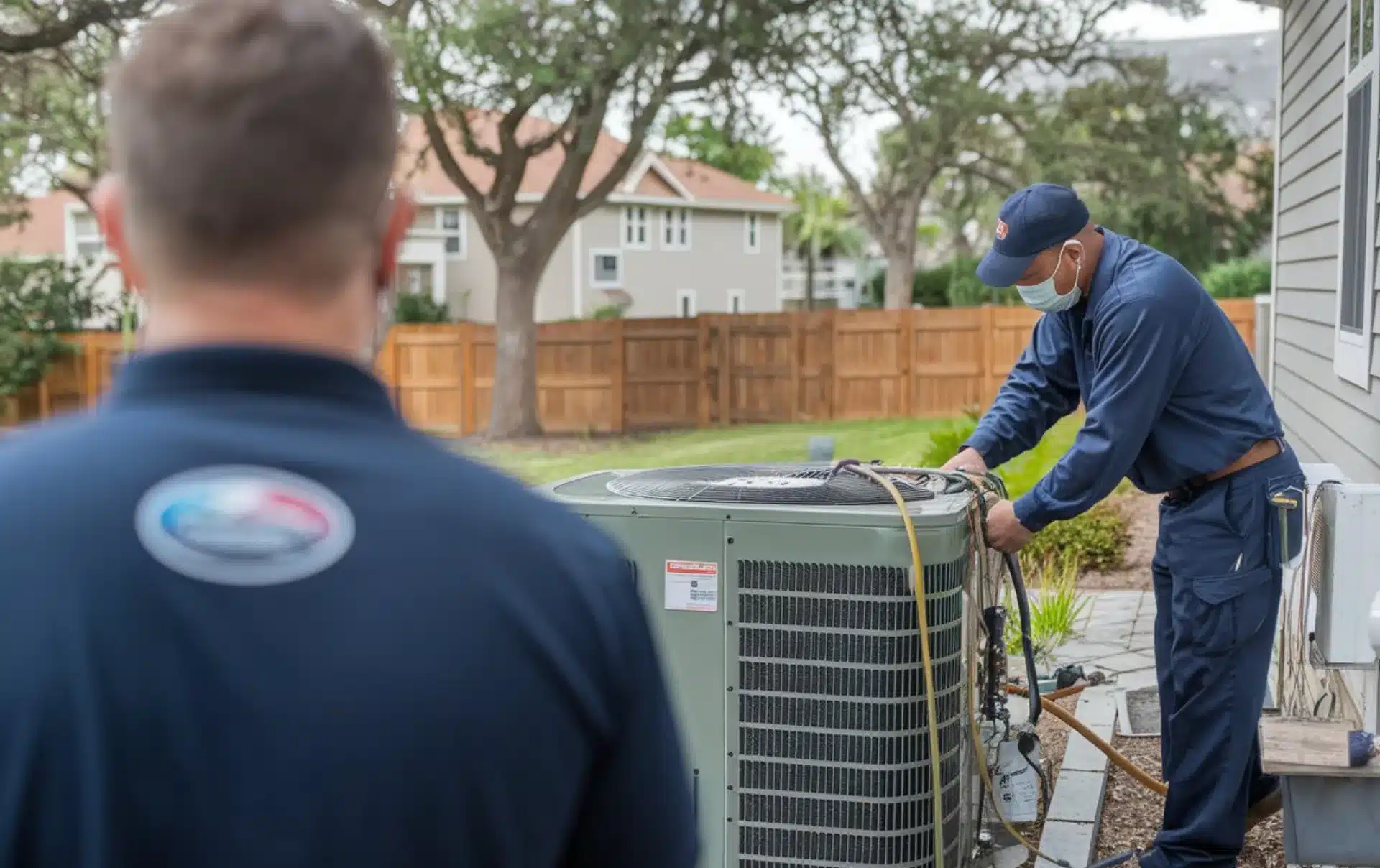
HVAC maintenance means taking care of your heating, ventilation, and air conditioning (HVAC) system to keep it running smoothly and efficiently. It includes regular tasks like cleaning or replacing air filters, checking for leaks, inspecting electrical parts, and making sure everything is working properly.
Good maintenance helps prevent breakdowns, lowers energy costs, improves air quality, and extends the life of your system. It’s recommended to have a professional check your HVAC system at least once or twice a year to keep it in top shape.
So the question arises: What exactly is HVAC maintenance, and why is it important?
What is HVAC maintenance?
HVAC denotes heating, ventilation, and air conditioning. Its maintenance is required to keep your system running efficiently. It includes various tasks such as:
Cleaning is one of the crucial tasks in maintenance. If you have an outdoor unit, it requires good cleaning of various parts of the air conditioning and furnace, including evaporator coils, condenser coils, air filters, drain pans, etc. Sometimes, the air filter requires replacement to ensure your airflow remains clean and consistent.
After that, the HVAC maintenance technician will check the refrigerant levels to ensure cooling efficiency and test the thermostat for accuracy. They also check for strange smells or sounds. It’s a common indication that something’s wrong.
HVAC system maintenance is like a regular health check-up to avoid costly breakdowns.
Why Is HVAC Maintenance So Important?
A well-maintained system uses 15–20% less energy, which lowers your monthly energy bill.
Emergency HVAC repairs are costly. Regular maintenance addresses minor problems before they become expensive repairs or system breakdowns.
Just as regular auto maintenance extends the lifespan of your car, regular HVAC maintenance keeps your system alive 5–10 years longer than without maintenance.
Dirty filters and clogged ducts can circulate dust, allergens, and mold, deteriorating indoor air quality. On the other hand, regular servicing keeps the air fresh and healthy.
What are the types of HVAC maintenance?
1. Reactive HVAC Maintenance
Have you ever experienced an HVAC system breakdown at the worst possible time, such as a chilled winter morning or a scorching summer afternoon? This is where reactive maintenance comes in. It means you wait until something goes wrong before fixing it.
This approach is costly and often causes unexpected downtime and discomfort to your employees and customers.
Suppose you run a cafe, and the AC stops working during peak hours. Does even imagining this make you anxious? But it can get worse!
The kitchen gets hotter, customers start leaving, and you panic and pay an HVAC technician triple the usual cost. That’s the risk of relying on reactive maintenance.
2. Preventive HVAC Maintenance
Would you go years without changing your car’s oil? Most likely not. The same goes for your HVAC system. Regular examinations, filter replacements, and little repairs are all part of preventive maintenance before they become serious issues.
Suppose you own a mid-sized office. Your HVAC specialist checks the system twice a year, cleans the coils, and replaces worn-out components. Because of this, your system operates more effectively, uses less energy, and doesn’t break down unexpectedly.
3. Predictive HVAC Maintenance
What if your HVAC system could tell you when it’s about to fail? Sounds impressive, right? That is what precisely occurs with predictive maintenance.
By using smart sensors and data analytics, technicians can monitor your system’s performance in real time and address problems before they cause business disruptions.
What Happens During HVAC Maintenance?
Now we know why HVAC maintenance is crucial, let’s have a look at a quick breakdown of what’s done during servicing:
| Task | What It Means for You |
| Inspection | Ask your HVAC technician to check for worn-out parts, leaks, and inefficiencies. Early inspection helps find minor issues before they turn into costly repairs. Imagine finding a minor gas leak before it becomes a safety hazard! |
| Cleaning | Regular cleaning helps to remove dust, debris, and mold buildup in filters, coils, and ducts. It increases HVAC efficiency and improves indoor quality. Additionally, it helps lower energy bills. |
| Lubrication | Lubrication is necessary for moving parts like motors and fans. It reduces wear and tear, preventing noisy operation and early system failure. |
| Freon Refill | If your air conditioner has to work harder to chill your area, it doesn’t have enough refrigerant. Refilling Freon allows you to maintain the ideal temperature without putting undue strain on your system. |
| Repairs and Replacements | Some parts of the HVAC can be maintained with regular service, but some need to be replaced with newer ones. For example, the Air filter might need to be replaced to ensure your airflow remains clean and consistent. |
What is HVAC preventive maintenance?
It is a proactive maintenance approach that helps to keep your HVAC system in optimal condition. It involves routine inspections and cleaning to prevent costly repairs.
Why Is Preventive Maintenance Important?
Preventive maintenance is paramount, ensuring your HVAC system runs smoothly, utilizes less energy, and lasts longer. Here are the following benefits of Preventive maintenance :
- Lower Energy Costs: A clean, well-tuned system uses less energy, saving you on utility bills.
- Fewer Breakdowns: Fixing minor problems early on should help prevent costly system failure.
- Extended Lifespan: Routine maintenance given to an HVAC system will lengthen its lifespan, thus preventing premature replacement.
- Better Air Quality: Filters and ducts should be cleaned regularly. This reduces dust, allergens, and mold and improves indoor air quality.
- Consistent Comfort: A well-maintained system keeps the temperature inside your home or office correct and without fluctuations.
HVAC Maintenance Checklist You Need
Here’s a comprehensive HVAC maintenance checklist with the best points for both homeowners and commercial building owners to ensure efficient performance, lower energy costs, and a longer system lifespan.
For Residential Homeowners
✅ Inspect and Replace Air Filters Regularly
These air filters trap dust, allergens, and other pollutants. Therefore, checking them out at least every month is crucial. Also, you must make the replacements at least every 1-3 months, improving air quality and efficiency.
✅ Clean Air Vents and Registers
Dust and debris lodged in vents restrict airflow and promote mold growth, which is harmful to your health. Regular cleaning prevents blockage and improves indoor air quality.
✅ Check the Thermostat Settings
Make sure thermostat settings are set to maintain comfort without wasting energy. A smart and programmable thermostat can save you on heating and cooling costs.
✅ Inspect and Clean the Outdoor Unit (AC Condenser)
Leaves, dirt, and debris can clog the AC condenser, which may take some time to clear. To maintain proper airflow, keep at least 2 feet of clearance around the unit.
✅ Check for Strange Noises or Odors
Strange noises or odors from your HVAC system can indicate a mechanical problem or even mold buildup. Fix things earlier to avoid bigger repairs.
✅ Ensure Proper Insulation Around HVAC Ductwork
Make sure there is proper insulation around the HVAC ductwork. Ducts in unconditioned spaces (attics or crawl spaces) will likely lose heat or cool air. Proper insulation prevents this heat/cool loss and improves efficiency.
✅ Check Refrigerant Levels (for AC and Heat Pumps)
You must check the refrigerant levels of ACs and heat pumps. Low refrigerant levels will force your AC to work harder than necessary and could result in the wrong amount of cooling. If there are low levels, call a professional to inspect for leaks and refill as needed.
✅ Clean Condensate Drain Line
A clogged drain line can cause extreme moisture, which can result in mold growth and the shutdown of the entire system. Regular cleaning usually removes any blockages and keeps the system running smoothly.
✅ Test Carbon Monoxide & Smoke Detectors (for heating systems)
Test CO and smoke detectors that should work for the heating systems. Malfunctioning furnaces give off carbon monoxide, which can be fatal. Testing for built-in detectors protects the home from gas leaks and combustion issues.
✅ Schedule Seasonal Professional Maintenance
Even with regular DIY maintenance, an HVAC technician should inspect your system before summer and winter. They’ll check for issues, tune-up components, and optimize performance.
HVAC Maintenance Checklist for Commercial Building Owners
✅ Schedule Professional HVAC Inspections Quarterly or Biannually
Commercial HVAC systems operate day and night, putting great strain. Regular maintenance is like a routine check-up, preventing system breakdowns.
✅ Inspect and Clean Air Filters Monthly
Buildings with high traffic accumulate dust and allergens very quickly. Changing filters monthly would significantly improve air quality and the system’s efficiency.
✅ Monitor HVAC System Performance via Smart Controls
Smart thermostats and automation optimize energy usage. They assist in detecting inefficiencies and stop users from using wasteful energy.
✅ Check and Seal Ductwork Leaks
Leaky ducts can cause notable energy loss. However, sealing them improves airflow, reduces costs, and maintains indoor comfort.
✅ Ensure Proper Ventilation & Indoor Air Quality Compliance
Adequate airflow prevents stale air and maintains health standards. Compliance ensures a safe and comfortable environment for occupants.
✅ Inspect and Clean Cooling Towers (for Large Commercial Systems)
Bacteria, including Legionella, can grow in cooling towers. Therefore, they require routine cleaning to prevent contamination and ensure efficiency.
✅ Regularly Maintain Boilers & Chillers
Boilers and chillers are essential in large buildings. Their routine servicing ensures consistent performance and avoids costly repairs.
✅ Inspect Electrical Components & Wiring
Faulty wiring can lead to HVAC failures and fire hazards. Therefore, regular checks are necessary to ensure system safety and reliability.
✅ Monitor Humidity Levels
Excess moisture causes mold, while low humidity affects comfort. Keeping levels balanced protects equipment and indoor air quality.
✅ Check and Maintain Emergency HVAC Systems (for Hospitals, Data Centers, etc.)
Backup HVAC systems are critical for uninterrupted operations. Routine testing ensures they function during emergencies.
How to Maintain Your HVAC System ?
1. Check Your Air Filters
It’s said that you should be changing your HVAC system’s air filters monthly, but depending on the type of system and type of air filter, this is often unnecessary. Instead, we suggest inspecting it, cleaning it and – if necessary – changing it once a month. Dirty air filters restrict air flow and can put more wear and tear on your HVAC equipment. It’s why it’s important to ensure they’re in good shape.
2. Maintain the Area Around your AC Unit
Air conditioners are often installed outside the home, and noting this it’s important to properly maintain any trees or bushes that are located near it. That’s because AC units need proper air flow and circulation to operate properly. Branches that come into contact with it or leaves that have accumulated inside of it can hamper this.
3. Schedule HVAC Maintenance
While some maintenance tasks you can carry out yourself, there are some things that are better left to a professional. If you’re serious about extending your equipment’s life, we suggest investing in a seasonal preventative maintenance plan. Doing so will allow a professional technician to tune up your system and carefully inspect it for issues that may need to be addressed either immediately or in the future.
4. Clean Your Ducts
It’s suggested to have your ducts professionally cleaned every three to five years to eliminate dust and debris buildup and maximize airflow. In between professional cleanings, we’d also suggest running a vacuum hose into floor vents to remove dust, dirt, pet dander or debris that has accumulated near the surface. This will help ensure proper airflow and also limit wear and tear on your equipment.
5. Invest in a Programmable Thermostat
Your HVAC system is like any major appliance – the more it’s used, the more wear and tear that’s placed on it. A programmable thermostat can help limit how often your system runs while also potentially decreasing your energy bills by up to 10 percent. It’s a win-win proposition. These thermostats will work to conserve energy while you’re away, automatically adjust the temperature at certain parts of the day and can also be accessed via a smartphone app.
Finding HVAC Maintenance Services in Fort Worth, TX
- Research Local HVAC Contractors
Start your research and create a list of experienced local professionals. They must specialize in HVAC maintenance in Fort Worth, TX. - Check Certifications and Online Reviews
Once the list is ready, verify their licenses and certifications. Remember to check customer feedback to ensure reliability. - Request Quotes and Compare Them
Request quotes to get estimates from multiple providers to find the best service at a fair price.
Why Choose R10 Heat & Air for Regular HVAC Maintenance?
- Expertise and Experience
With years of experience in the industry, the skilled technicians at R10 Heat & Air run at peak performance. We diagnose issues early, preventing costly breakdowns. - Competitive Pricing
We offer inexpensive maintenance plans without compromising quality. Transparent pricing reveals that there are no hidden costs. It’s just simple applications that assure services within your financial limits.
Conclusion
Now, you must know why Regular HVAC maintenance is crucial. It not only lowers your repair cost but also enhances energy efficiency. So, schedule your HVAC system’s routine check-up to address minor issues early and save yourself from unexpected breakdowns. This one proactive step extends your system’s lifespan and ensures it runs smoothly without any hurdles, giving a comfortable, cost-effective environment year-round.


