
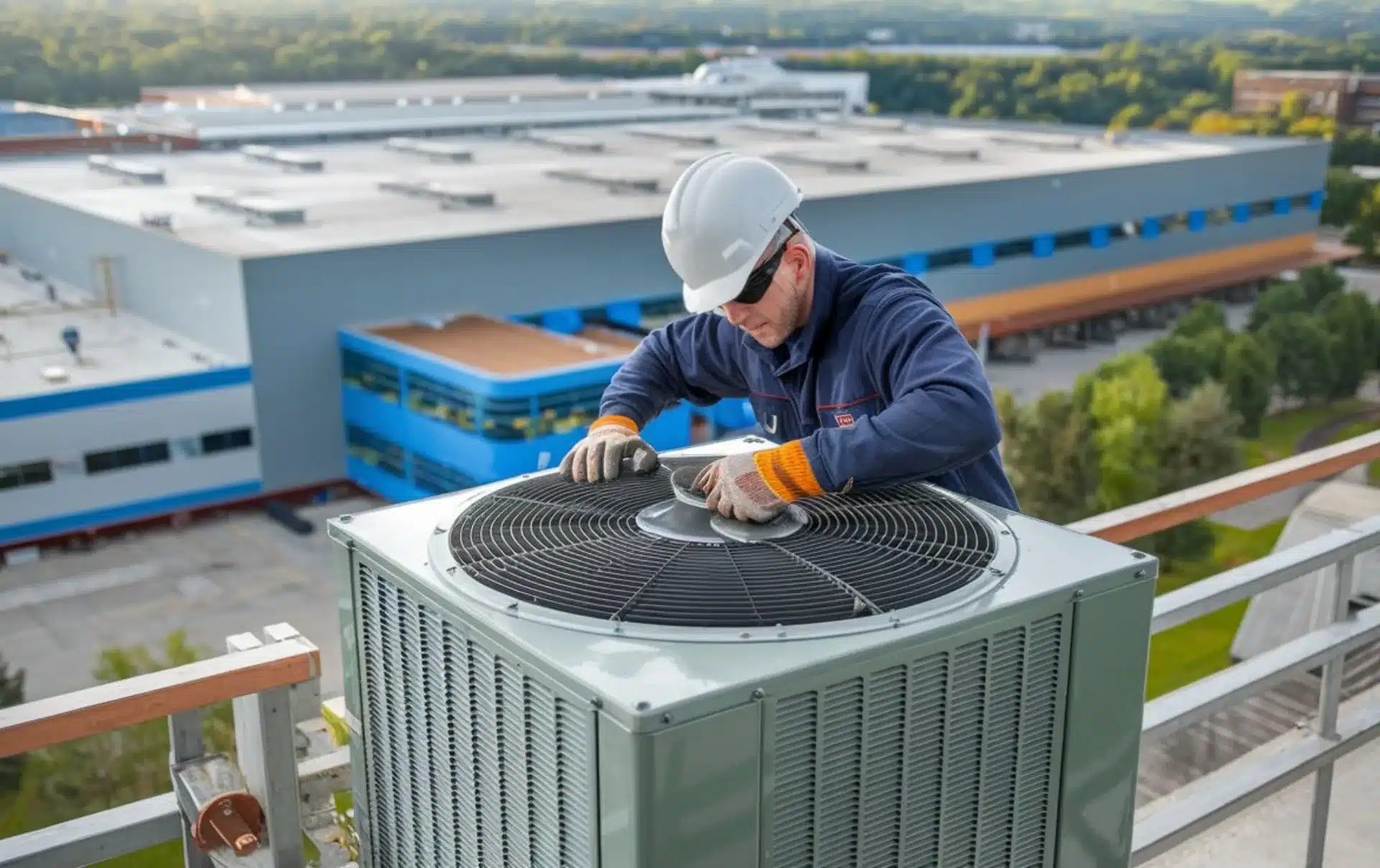
Selecting the right Commercial HVAC systems for your commercial property is an Important choice. With the Tough weather in Fort Worth, TX— which is a mix of hot summers and chilling winters, you need reliable systems that deliver year-round comfort and energy efficiency.
This guide will walk you through everything you need to know about commercial HVAC systems in Fort Worth, TX, and how to choose the best one for your own building.
So, let’s dive right in.
What are commercial HVAC systems?
Commercial HVAC systems refers to heating, ventilation, and air conditioning systems designed to regulate temperature, air circulation, and air quality in large spaces like offices, warehouses, and retail centers. Unlike residential systems, commercial HVAC units are more complex and designed to support higher demands while maintaining efficiency and comfort.
What types of Commercial HVAC Systems Available in Fort Worth Tx ?
Fort Worth has a diverse range of commercial properties, and your choice of HVAC system will depend on the unique needs of your space. Here are the most common types to consider:
1. Single-Split System.

- Best for: Small businesses or individual spaces within a building.
- How it works: Each indoor unit is paired with its own outdoor unit, allowing for independent temperature control.
- Pros: Cost-effective and simple to install.
- Cons: Requires outdoor space and can be less efficient in larger buildings.
2. Multi-Split Systems

- Best for: Larger commercial spaces requiring zoned cooling.
- How it works: Connects multiple indoor units to one outdoor unit.
- Pros: Saves outdoor space and provides zoned temperature control.
- Cons: Higher installation cost due to more complex systems.
3. Variable Refrigerant Flow (VRF)/Variable Refrigerant Volume (VRV)
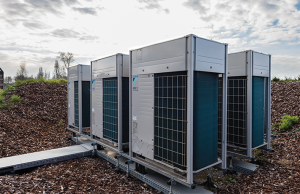
- Best for: Buildings with multiple zones needing simultaneous heating and cooling.
- How it works: Uses refrigerant to provide precise temperature control for each area.
- Pros: Energy-efficient and highly customizable.
- Cons: One of the more expensive options to install.
4. Variable Air Volume (VAV)
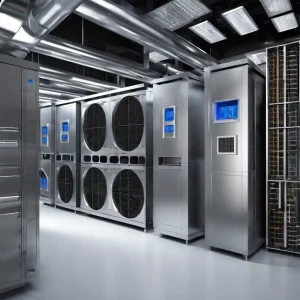
- Best for: Offices or large spaces with varying occupancy loads.
- How it works: Adjusts airflow based on real-time requirements while maintaining a constant temperature.
- Pros: Saves energy by reducing system load during idle times.
- Cons: Initial setup may be costly.
5. Rooftop Units (RTU)
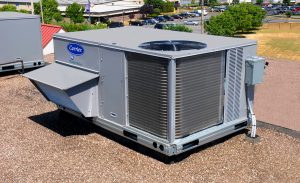
- Best for: Larger commercial buildings.
- How it works: Located on rooftops, these are self-contained units for heating and cooling.
- Pros: Saves interior floor space and easy maintenance access.
- Cons: Requires strong structural support for the rooftop installation.
6. Constant Air Volume (CAV)
- Best for: Spaces needing stable air circulation, like retail stores.
- How it works: Maintains constant airflow while varying the temperature.
- Pros: Simple to operate.
- Cons: Less energy-efficient due to constant airflow.
7. Packaged Terminal Air Conditioner (PTAC)
- Best for: Hotels, motels, and apartments.
- How it works: Self-contained units installed in individual rooms.
- Pros: Great for localized temperature control.
- Cons: Not suitable for large-scale commercial settings.
How to Choose the Best Commercial HVAC Systems in Fort Worth, TX
Follow these steps to ensure you select the ideal Commercial HVAC Systems for your property:
1. Assess Your Business Needs
- Evaluate your space: Consider the size, layout, and usage patterns of the building. Larger spaces typically demand more robust systems.
- Environmental considerations: Fort Worth’s hot summers and cold winters mean you need a system capable of handling temperature extremes efficiently.
- Plan for growth: Opt for scalable HVAC systems that can accommodate future business expansion.
2. Research Local HVAC Providers
- Find reputable contractors: Search for certified commercial HVAC contractors in Fort Worth with proven experience in installations.
- Read reviews: Customer testimonials and case studies can reveal critical insights into the reliability of contractors.
- Verify certifications: Choose providers with relevant local and industry certifications to ensure compliance.
3. Evaluate Energy Efficiency
- Check SEER and EER ratings: Higher SEER & EER ratings indicate better energy performance, which can reduce utility bills.
- Sustainability features: Look for zoning capabilities, smart thermostats, and advanced controls to minimize energy usage.
4. Compare Technology Options
- Research innovative equipment like VRF systems and modern automation solutions that integrate with existing building management systems.
- Choose systems with warranties and dedicated customer support for added peace of mind.
5. Understand Maintenance and Installation Needs
- Collaborate with experienced contractors who can handle installations efficiently and provide ongoing service agreements.
- Preventative maintenance is vital to ensure the longevity and efficiency of your HVAC system.
6. Factor in Budget and Financing
- Compare initial costs versus long-term savings.
- Explore local incentives and energy rebates in Fort Worth to offset costs.
7. Seek Expert Advice Before Making a Final Decision
- Schedule HVAC consultations with multiple HVAC professionals to weigh your options.
- Compare proposals based on performance, energy efficiency, and value.
Factors to Consider Before Choosing Any Commercial HVAC Systems In Fort Worth.
- Size of the System
Make sure you pick an HVAC system that’s the right size for your commercial building. A system that’s too small won’t heat or cool your space properly, while one that’s too big can waste energy and money. An Expert HVAC contractor can help you figure out the perfect size for your needs.
- Maintenance and Repairs
Taking care of your HVAC system can make it last longer and work better. Regular maintenance of commercial HVAC system, like cleaning filters and checking for issues, is key. A system that’s installed correctly and maintained well will save you from expensive repairs down the road.
- Cost and Budget
Think about both the upfront cost and how much you’ll spend over time. A cheaper system might cost less now, but it could use more energy or need more repairs. Consider energy-efficient systems that can save you money on utility bills and last longer. Also, be aware that local costs, like installation labor rates in Fort Worth, can impact your budget.
- Weather and Local Rules
Fort Worth has a hot and humid climate, so pick a system that can handle extreme temperatures and humidity. It’s also important to make sure your HVAC system meets local building codes and environmental rules. This makes your system safer and more reliable, and you might even qualify for rebates or energy-saving incentives as a bonus.
What are the most efficient commercial HVAC systems?
- Variable Refrigerant Flow (VRF/VRV)
Why? VRF/VRV systems use inverter-driven compressors to modulate refrigerant flow based on real-time demand. They offer precise zoning, simultaneous heating and cooling, and often include heat recovery options, which all contribute to top-tier energy efficiency. - Variable Air Volume (VAV)
Why? VAV systems adjust the airflow to different zones based on occupancy and thermal loads. By varying the volume rather than cycling equipment on and off, they can significantly reduce energy consumption—especially in buildings with fluctuating demand. - Multi-split System
Why? Multi-split systems serve multiple indoor units from a single outdoor unit, offering flexibility and efficiency in distributing cooling/heating. When properly designed, they reduce the need for oversized equipment and maintain high efficiency through targeted delivery.
Advantages & Disadvantages of Choosing a Commercial HVAC Systems.
Advantages:
- Energy Efficiency & Cost Savings: Many commercial HVAC systems are designed for optimal energy use, which can lead to significant cost savings over time.
- Enhanced Comfort & Air Quality: They provide consistent temperature control and improved indoor air quality, which is essential for large spaces and numerous occupants.
- Advanced Controls & Automation: Modern systems offer sophisticated control options, remote monitoring, and automation features that streamline operations and maintenance.
Disadvantages:
- High Initial Investment: The upfront cost for purchasing and installing commercial HVAC systems is typically substantial.
- Complex Maintenance Requirements: These systems often require specialized technicians for maintenance and repairs, potentially leading to higher ongoing expenses.
- Space & Infrastructure Needs: They may demand dedicated space and building modifications, which can be challenging in certain commercial environments.
List of America’s most trusted Commercial HVAC Systems Brands ?
- Carrier
A longstanding industry leader, Carrier is known for its reliable, energy-efficient systems and innovative commercial HVAC solutions. - Trane
Trane is celebrated for its durable equipment and advanced technology that delivers consistent comfort and efficiency in demanding commercial environments. - York (by Johnson Controls)
York offers a range of high-performance commercial HVAC products backed by Johnson Controls’ engineering expertise and a strong service network. - Daikin
Recognized globally and trusted in the U.S. market, Daikin leads in variable refrigerant flow (VRF) systems and other energy-saving technologies suited for large-scale commercial applications. - Mitsubishi Electric
Mitsubishi Electric is known for its cutting-edge ductless and VRF systems that provide precise control and flexibility for modern commercial building designs.
Why Choose R10 Heat and Air for Commercial HVAC Installation?
With certified expertise and state-of-the-art technology, R10 Heat and Air delivers energy-efficient commercial HVAC installations and unmatched customer service. From consultation to after-sales support, they consistently prioritize your business’s comfort and efficiency.
Choosing the Best System is an Investment in Your Business’s Future
Investing in the right commercial HVAC system ensures long-term comfort, efficiency, and cost savings for your Fort Worth property. Whether it’s a rooftop unit for a warehouse or a cutting-edge VRF system for a modern office, this guide has equipped you with the insights to make an informed choice.
Need expert advice tailored to your business? Contact R10 Heat and Air today and get started on your next commercial HVAC solution!
Frequently Asked Questions About Commercial HVAC Systems
Q1. What factors should I consider when choosing a commercial HVAC system in Fort Worth?
Building size, energy efficiency, zoning needs, and local climate are the most important considerations.
Q2. Which type of commercial HVAC system is most efficient?
VRF (Variable Refrigerant Flow) and rooftop packaged units are popular for their energy efficiency and flexibility.
Q3. How long does a commercial HVAC system last?
With proper maintenance, commercial HVAC systems typically last 15–20 years.
Q4. Should I prioritize upfront cost or long-term efficiency?
Long-term efficiency often saves more money in Fort Worth’s hot climate, even if upfront costs are higher.


