
When was the last time you thought “how long does a furnace last”?
If you’re like most homeowners, the answer is probably “not until it stopped working in the middle of January.”
I get it. Your furnace sits in the basement or utility closet doing its job quietly. You don’t think about it until you’re sitting in a cold house at 2 AM wearing three sweaters and watching your breath fog up in your own living room.
Here’s the thing though.
Understanding how long your furnace will last isn’t just about avoiding those nightmare scenarios. It’s about saving money, staying safe, and making smart decisions before you’re forced into emergency mode.
The average furnace replacement costs anywhere from $3,000 to $7,000 or more depending on your system type and home size. When your furnace dies unexpectedly in winter, you’re looking at emergency service fees, rushed decisions, and limited contractor availability. You might end up paying 20 to 30 percent more than you would have with planned replacement.
In this guide, I’m going to walk you through everything you need to know about furnace lifespan. We’ll cover how long different types of furnaces last, what factors shorten or extend that lifespan, and most importantly, how to recognize when it’s time to start planning for replacement.
By the end, you’ll know exactly where your furnace stands and what your next steps should be.
Let’s dive in.
1. What Is the Average Lifespan of a Home Furnace?
Here’s the straightforward answer.
Most residential furnaces last between 15 and 20 years with proper care and normal use.
That’s the range you’ll hear from just about every HVAC professional in the industry. It’s based on decades of real-world data from millions of home heating systems across the country.
But here’s what that range actually means for you.
A furnace installed in 2005 is probably approaching the end of its useful life right now in 2025. If your furnace was installed in 2010, you’re somewhere in the middle of its expected lifespan. And if you just moved into a home with a furnace from 1995 or 2000, you’re living on borrowed time.
Now, let me be clear about something important.
That 15 to 20 year range isn’t a guarantee. It’s an average based on typical conditions. Some furnaces fail at 12 years. Others keep chugging along for the past 25 years. The difference comes down to several factors we’ll discuss later in this guide.
Here’s another thing most homeowners don’t realize.
Just because a furnace still turns on doesn’t mean it’s working well. A 20-year-old furnace might technically heat your home, but it’s probably using way more energy than it should. It’s likely breaking down more often. And it could pose safety risks we’ll talk about later.
Industry data shows that furnaces older than 15 years account for the majority of mid-winter emergency service calls. These are the systems that fail when you need them most, during the coldest weeks of the year when HVAC companies are already swamped with calls.
So when I tell you the average lifespan is 15 to 20 years, what I’m really saying is this: Once your furnace hits that 15-year mark, you should start paying close attention and planning for replacement within the next few years.
Don’t wait for complete failure.
Start preparing when your system reaches the middle of that range. That way, when the time comes, you’re ready with a plan instead of scrambling for solutions in an emergency.
2. What Types of Furnaces & How Long It Lasts?
Absolutely.
Not all furnaces are created equal when it comes to longevity.
The type of fuel your furnace uses makes a real difference in how long the system will last. Let me break down the three main types you’ll find in residential homes.
1. Gas Furnaces
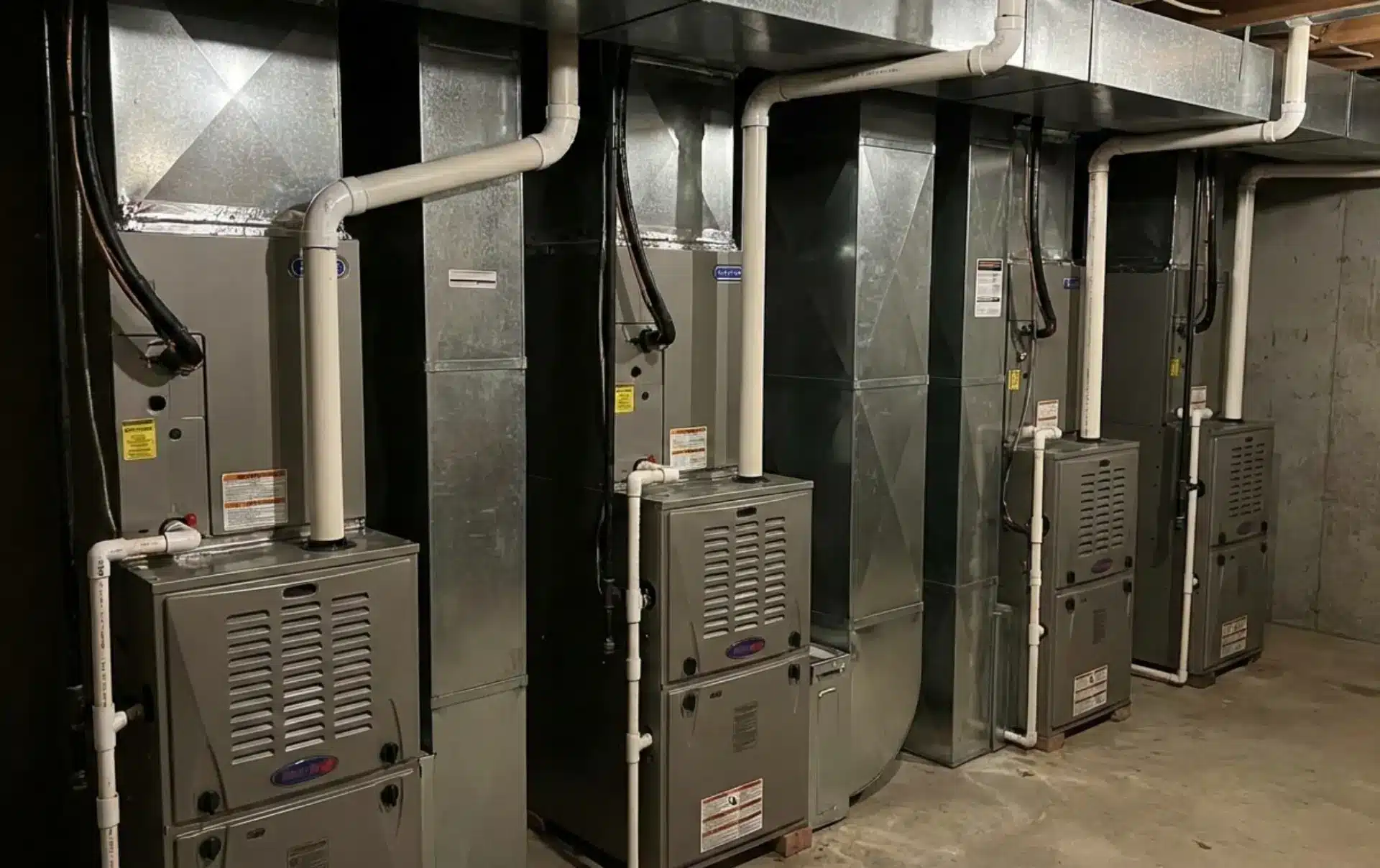
These are the most common type in American homes, and they typically last 15 to 20 years.
Gas furnaces burn natural gas or propane to create heat. They’re efficient, powerful, and relatively affordable to operate in most parts of the country. The combustion process does create wear on components over time, especially the heat exchanger, which is why you see that 15 to 20 year range.
I’ve seen gas furnaces last 25 years or more when they’re exceptionally well maintained. But I’ve also seen them fail at 12 years when they’re neglected or improperly installed.
The key vulnerability in gas furnaces is the heat exchanger. This is the component that transfers heat from the burning gas to the air in your home. Over years of heating and cooling cycles, metal fatigue can cause cracks. When that happens, replacement is almost always the right answer because a cracked heat exchanger is a safety hazard.
2. Electric Furnaces
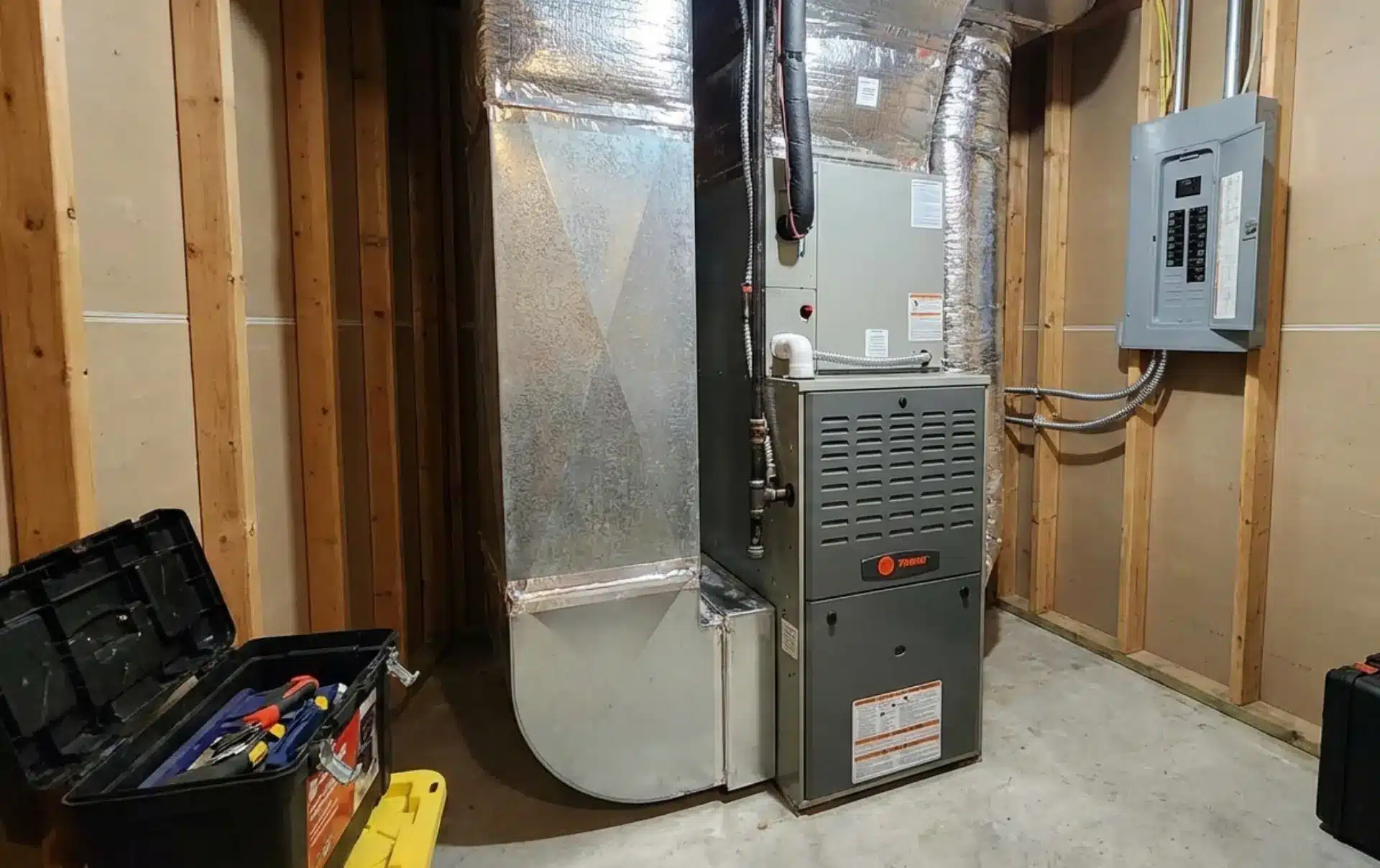
Electric furnaces tend to last a bit longer, often 20 to 30 years.
Why the difference?
Electric furnaces don’t have a combustion process. There’s no burning fuel, no exhaust gases, no combustion chamber that experiences extreme heat cycles. They use electric heating elements instead, kind of like a giant toaster inside your ductwork.
Fewer moving parts and no combustion means less wear and tear overall.
The tradeoff is operating cost. In most areas, electric heat costs significantly more to run than gas heat. You might save money on installation and enjoy a longer lifespan, but you’ll likely pay more on your monthly utility bills.
Electric furnaces are most common in areas without natural gas service or in milder climates where heating demands are lower.
3. Oil Furnaces
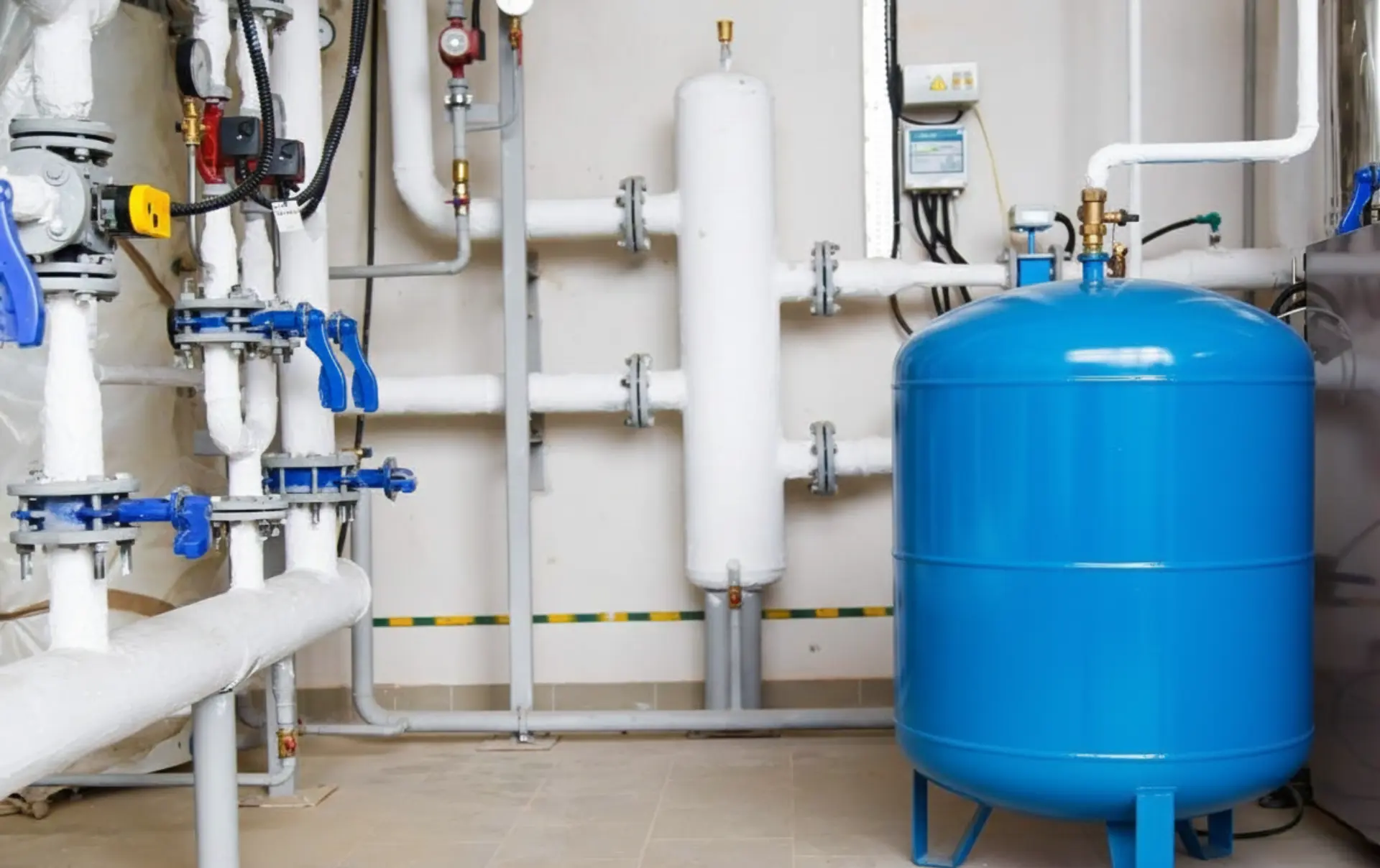
Oil furnaces typically last 15 to 25 years, putting them somewhere between gas and electric systems.
These systems are most common in the Northeast and other areas where heating oil is readily available. They’re known for producing lots of heat and working well in extremely cold climates.
Oil furnaces require more maintenance than gas or electric systems. The combustion process is dirtier, so they need regular cleaning. The fuel delivery system needs attention. And you have to deal with managing oil deliveries and tank maintenance.
But when properly maintained, a quality oil furnace can absolutely reach the upper end of that lifespan range.
3. What Factors Affect Your Furnace’s Lifespan the Most?
This is where things get interesting.
Because even identical furnaces installed on the same day can have dramatically different lifespans based on a handful of critical factors.
Let me walk you through the big ones.
1. Furnace Installation Quality
This is huge, and most homeowners completely overlook it.
A properly installed furnace will last significantly longer than one that was installed poorly. I’ve seen systems fail prematurely simply because the original installation was done wrong.
What does proper installation look like?
The system needs to be correctly sized for your home. The ductwork needs to be sealed and properly connected. The venting needs to meet code requirements. The electrical connections need to be secure. The gas line needs to be leak-free and properly pressurized.
When any of these things are done incorrectly, your furnace works harder than it should. It cycles on and off more frequently. Components wear out faster. Efficiency drops. Problems develop.
Here’s the kicker: You might not notice installation problems for years. The furnace might seem to work fine initially, but the damage is being done behind the scenes. By the time symptoms appear, you’ve already lost years of potential lifespan.
This is why choosing a qualified, experienced HVAC contractor matters so much.
2. Usage Frequency Of Your Furnace
Think about how often your furnace runs.
A furnace in Minnesota runs way more hours per year than one in Georgia. More runtime means more wear. It’s simple math.
If you live in a cold climate where your furnace runs six months a year, you’re putting more stress on the system than someone in a mild climate where it only runs occasionally.
You can’t change your climate, but you can be realistic about expectations. Cold climate furnaces typically land on the shorter end of the lifespan range.
3. Home Furnace Insulation and Air Sealing
Here’s something most people don’t connect to furnace lifespan: how well insulated and sealed your home is.
Poor insulation means your furnace has to run longer and more often to maintain temperature. Air leaks mean you’re constantly losing heated air and replacing it with cold air that needs to be heated.
All of that extra runtime accelerates wear on every component in your system.
I’ve worked with homeowners who improved their insulation and air sealing and immediately noticed their furnace running less frequently. Not only did they save on energy bills, but they also extended the life of their heating system.
Your furnace and your home’s building envelope work together. When one side of that equation is weak, the other side suffers.
4. Furnace System Sizing Matters
This goes back to installation quality, but it’s important enough to highlight separately.
An oversized furnace cycles on and off more frequently than a properly sized one. This is called short cycling, and it’s terrible for system longevity.
Why?
Because the most wear happens during startup and shutdown. If your furnace is turning on and off every few minutes instead of running in longer, steady cycles, you’re multiplying the wear on components like the blower motor, igniter, and control board.
An undersized furnace has different problems. It runs constantly, never quite catching up with your heating needs. This leads to overworking the system and premature failure.
Proper sizing requires a professional heat load calculation. It’s not a guess based on square footage. It’s a detailed analysis of your home’s specific characteristics.
5. Furnace System Airflow Problems
Your furnace needs proper airflow to work efficiently and last its full lifespan.
Restricted airflow is one of the most common causes of premature furnace failure.
What causes restricted airflow?
Dirty filters are the number one culprit. When you don’t change filters regularly, airflow gets blocked. The furnace has to work harder. Components overheat. The heat exchanger experiences more stress.
Blocked vents and registers create the same problem. Closed doors in rooms without return air vents restrict airflow. Ductwork that’s crushed, disconnected, or badly designed limits airflow.
All of these issues make your furnace work harder than it was designed to. And harder work means shorter lifespan.
6. Furnace Maintenance Habits
I’m saving the best for last because this is the factor you control most directly.
Regular maintenance is the single most important thing you can do to extend your furnace’s lifespan.
Annual professional furnace tune-ups catch small problems before they become big ones. Filter changes keep airflow optimal. Cleaning prevents buildup that causes wear. Lubrication keeps moving parts working smoothly.
The data on this is clear: Well-maintained furnaces last significantly longer than neglected ones. We’re talking about a potential difference of 5 to 10 years or more.
I’ll go deeper into maintenance in a later section, but understand this now: Your maintenance habits have more impact on furnace lifespan than almost any other factor on this list.
4. What Are the Warning Signs Tells Your Furnace Is Failing?
Your furnace will tell you when it’s struggling.
You just need to know what to listen and look for.
Most furnaces don’t die suddenly without warning. They give you signals that something’s wrong, often months or even years before complete failure. The problem is that most homeowners either don’t recognize these signs or choose to ignore them until it’s too late.
Let me walk you through the most common warning signs.
1. When It Ask for Frequent Repairs
This is often the first red flag homeowners notice.
When you find yourself calling for Furnace repairs more than once a year, your furnace is telling you something. One repair might be bad luck. Two or three repairs in a single heating season is a pattern.
Here’s a rule of thumb I share with homeowners: If you’re spending more than one-third of the cost of a new system on repairs, it’s time to start seriously considering replacement.
Let’s say a new furnace would cost you $4,500 installed. If you’re putting $1,500 or more per year into repairs, you’re throwing money at a dying system. That money would be better invested in a new, reliable furnace with a warranty.
Pay attention to what’s breaking too. If it’s minor things like a thermostat or a clogged filter, that’s different from major components like the heat exchanger, blower motor, or control board failing.
2. When Your Furnace Makes Strange Noises
Furnaces make some noise & leaks. That’s normal.
But new or unusual noises are warning signs.
Banging or popping sounds often indicate something expanding or contracting abnormally, possibly due to dirty burners or a cracked heat exchanger.
Squealing or screeching typically points to belt problems or motor bearing issues.
Rumbling sounds after the burner turns off could indicate a problem with the burners or a cracked heat exchanger allowing gas to build up.
Rattling might mean something’s come loose, or it could indicate more serious internal problems.
The key word here is “new.” If your furnace has always made a certain sound and nothing has changed, that’s probably fine. But if you suddenly hear noises you’ve never heard before, don’t ignore them.
Get a professional to check it out before a small problem becomes a big one.
3. Uneven Heating and Cold Spots
Walk through your home.
Are some rooms noticeably colder than others? Does your bedroom stay chilly while the living room feels fine? Do you notice the temperature fluctuating throughout the day even though the thermostat is set consistently?
These symptoms point to a furnace that’s struggling to do its job.
Sometimes this is a ductwork problem. But often it indicates a furnace that can’t maintain consistent heating output anymore. The system might be losing efficiency, experiencing component wear, or struggling with airflow issues.
Cold spots are particularly concerning if they’re new. If your home used to heat evenly and now it doesn’t, something has changed with your heating system.
4. When Your Furnace Is Rising Energy Bills
Pull out your energy bills from the last few years.
Compare your winter heating costs year over year. Are they going up even though you’re not using more heat?
Efficiency loss is a natural part of aging for furnaces. As components wear, seals degrade, and the system accumulates buildup, it has to work harder to produce the same amount of heat.
A furnace that once heated your home while running 45 minutes per hour might now need to run 55 minutes per hour to do the same job. That extra runtime shows up on your energy bill.
If your bills are climbing 15, 20, or 30 percent compared to previous years (accounting for fuel cost changes), your furnace is likely losing efficiency.
5. When The Furnace Runs Constantly
Your furnace should cycle on and off throughout the day.
It runs, heats your home to the set temperature, shuts off, waits for the temperature to drop a bit, then cycles back on. That’s normal operation.
If your furnace seems to run nonstop, never quite catching up, something’s wrong.
This could mean the system is undersized for your home, though that would have been a problem from day one. More likely, an aging furnace is losing its ability to heat efficiently. It can’t produce the same BTU output it once could, so it runs constantly trying to compensate.
Constant runtime accelerates wear and drives up energy costs. It’s both a symptom of a dying furnace and a factor that speeds up the end.
6. Yellow or Flickering Burner Flame
If you have a gas furnace, you can actually see the burner flame when the system is running.
Look through the viewing window or access panel when the burner is on.
The flame should be steady and blue. That indicates clean, complete combustion.
A yellow, orange, or flickering flame is a warning sign. It suggests incomplete combustion, which can indicate several problems: dirty burners, inadequate air supply, or a cracked heat exchanger.
This isn’t just an efficiency issue. It’s potentially a safety issue. Incomplete combustion can produce carbon monoxide.
If you see a yellow or flickering flame, call a professional immediately. Don’t wait.
Here’s what I tell homeowners:
One warning sign might not mean much. But when you see multiple signs together frequent repairs on a 16-year-old furnace that’s making new noises and driving up your energy bills the message is clear.
Your furnace is telling you it’s time to start planning for replacement.
5. Should You Repair or Replace Your Furnace?
This is the question I get more than any other.
And I understand why. You’re facing a furnace that’s not working right, and you need to make a decision that could mean spending anywhere from a few hundred dollars to several thousand.
Let me give you a framework for making this decision clearly and confidently.
1. The Age Factor
Start here: How old is your furnace?
If it’s under 10 years old, repair almost always makes sense unless you’re looking at a catastrophic failure like a cracked heat exchanger or failed compressor.
If it’s between 10 and 15 years old, you’re in the gray zone. Consider the cost of the Furnace repair and the overall condition of the system.
If it’s over 15 years old, lean heavily toward replacement unless the repair is minor and inexpensive.
Age matters because every year past 15 increases the likelihood of additional failures. You might fix one problem today and face another one next month.
2. The 50 Percent Rule
Here’s a guideline many HVAC professionals use.
If the repair cost is more than 50 percent of the replacement cost, choose replacement instead.
Let’s do the math.
Say a new furnace installation costs $5,000. If you’re looking at a repair bill of $2,500 or more, replacement is usually the smarter investment.
Why?
Because you’re spending half the cost of a new system on an old one that might fail again soon. That $2,500 repair buys you maybe another year or two on a worn-out system. That same $2,500 as a down payment gets you into a new, efficient, warrantied system that will last 15 to 20 years.
The math gets even clearer when you factor in energy savings from a new, efficient system.
3. The Repair History
Pull out your records and look at your repair history over the last two to three years.
Have you been calling for service multiple times per season? Are you on a first-name basis with your HVAC technician?
Frequent repairs signal a system in decline. Each repair is a band-aid, not a solution. You’re playing whack-a-mole with problems instead of addressing the root issue: You have an old, worn-out furnace.
If you’ve spent $800 this year, $600 last year, and $900 the year before, that’s $2,300 in repairs on a system that’s still going to fail eventually. That money could have gone toward replacement.
4. What Needs to Be Repaired
Not all repairs are created equal.
Some components are relatively cheap and easy to replace. Others are expensive and indicate serious system degradation.
Minor repairs include:
- Thermostat replacement
- Air filter issues
- Blown fuses or tripped breakers
- Pilot light or igniter problems
- Limit switch replacement
- Dirty flame sensor
These are typically under $500 and worth doing regardless of age.
Major repairs include:
- Heat exchanger replacement
- Blower motor replacement
- Control board replacement
- Inducer motor replacement
- Gas valve replacement
These can range from $800 to $2,500 or more. On an older system, these repairs often don’t make financial sense.
Cracked heat exchanger deserves special mention. This is almost always a reason to replace, not repair. Heat exchanger replacement costs nearly as much as a new furnace, and it often indicates that the rest of the system has been stressed as well.
5. Energy Efficiency Considerations
Don’t forget to factor in operating costs.
An old, inefficient furnace might have an AFUE (Annual Fuel Utilization Efficiency) rating of 60 to 80 percent. Modern furnaces typically range from 90 to 98 percent AFUE.
That efficiency difference translates directly to your utility bills.
Let’s say you’re spending $1,500 per year heating your home with an old 70 percent efficient furnace. Upgrading to a 95 percent efficient model could save you $400 or more per year on heating costs.
Over a 15-year lifespan, that’s $6,000 in savings. Those savings can help offset the cost of replacement and make the decision clearer.
6. The Comfort Factor
This one’s harder to quantify, but it matters.
How comfortable are you in your home? Is your old furnace struggling to maintain temperature? Are you dealing with cold spots and inconsistent heating?
A new furnace delivers better comfort through more consistent heating, better airflow, and modern controls. If you’re uncomfortable in your own home, that has value beyond just dollars and cents.
Here’s My Repair vs. Replace Framework
Here’s how I’d approach the decision:
Repair if:
- The furnace is under 10 years old
- The repair is minor (under $500)
- The system has been reliable with few previous repairs
- You’re committed to proper maintenance going forward
Replace if:
- The furnace is over 15 years old
- The repair costs more than 50 percent of replacement
- You’ve had multiple repairs in recent years
- There are safety concerns
- Your energy bills have been climbing steadily
- You’re seeing multiple warning signs of system failure
Here’s the truth:
Sometimes replacement feels expensive in the moment, but it’s actually the cheaper option when you look at the bigger picture. You avoid throwing good money after bad on repairs. You gain energy efficiency savings. You get warranty protection. And you gain peace of mind knowing you won’t face a winter breakdown.
6. Can Regular Maintenance Make Your Furnace Last Longer?
Yes. Absolutely. Without question.
Regular maintenance is the single most effective thing you can do to extend your furnace’s lifespan.
Let me show you why this matters so much and what proper maintenance actually involves.
1. The Maintenance Impact
Studies and real-world data consistently show that properly maintained furnaces last 30 to 50 percent longer than neglected ones.
Think about that for a minute.
The difference between 12 years and 18 years. Between 15 years and 22 years. That’s huge.
We’re talking about potentially adding five to seven years to your furnace’s life just by doing regular, basic maintenance. That’s thousands of dollars in delayed replacement costs plus the value of a more reliable, efficient system throughout its life.
Why does maintenance have such a big impact?
Because furnaces are mechanical systems with moving parts, combustion processes, and components that naturally wear over time. Maintenance addresses wear before it becomes failure. It keeps everything running smoothly instead of letting small problems compound into big ones.
2. What Happens During a Professional Tune-Up
Annual professional maintenance isn’t just changing a filter. It’s a comprehensive inspection and service of your entire heating system.
Here’s what a thorough tune-up includes:
• Inspection of all components including the heat exchanger, burners, blower motor, electrical connections, gas connections, venting, and safety controls.
• Cleaning of burners and combustion chamber to ensure efficient, complete combustion and prevent buildup that affects performance.
• Testing of all safety controls including limit switches, pressure switches, and flame sensors to ensure the system shuts down properly if something goes wrong.
• Lubrication of moving parts like the blower motor bearings to reduce friction and wear.
• Checking and adjusting gas pressure to ensure optimal combustion and efficiency.
• Testing thermostat calibration to make sure your furnace responds accurately to temperature settings.
• Inspecting and tightening electrical connections because loose connections create resistance, heat, and eventual failure.
• Measuring temperature rise across the heat exchanger to ensure it’s within manufacturer specifications.
• Checking airflow throughout the system and making adjustments if needed.
• Replacing or cleaning the air filter even though you should do this monthly yourself.
• Carbon monoxide testing to ensure your system isn’t producing dangerous gases.
A good technician takes 60 to 90 minutes to do this properly. If your “tune-up” takes 20 minutes, you’re not getting a real inspection.
3. What You Should Do Between Professional Visits
Professional maintenance once a year is essential, but there are things you should do monthly or quarterly.
• Change your air filter every 1 to 3 months depending on your home. This is the single most important thing you can do yourself. A clean filter ensures proper airflow, reduces strain on the blower motor, and improves efficiency.
• Keep vents and registers clear of furniture, curtains, and debris. Blocked vents restrict airflow and create pressure imbalances in your system.
• Listen for unusual sounds and address them quickly. Strange noises are early warning signs. Catching problems early prevents bigger failures.
• Watch your thermostat behavior and note if your furnace is cycling more frequently or running longer than usual.
• Keep the area around your furnace clear of storage, chemicals, and flammable materials. Your furnace needs space for proper airflow and safety.
•Check your carbon monoxide detectors regularly. Test them monthly and replace batteries as needed.
4. The Timing of Maintenance
When should you schedule professional maintenance?
The best time is fall, before heating season starts. You want to catch and fix problems before you’re relying on your furnace daily.
September or October is ideal. You beat the rush when HVAC companies get slammed with service calls. You often get better scheduling flexibility. And you ensure your system is ready before the first cold snap.
Don’t wait until November or December. By then, if the technician finds a problem that requires parts, you might be waiting days or weeks for repairs while using a compromised system.
5. The Cost vs. Value Equation
Annual maintenance typically costs $100 to $200.
• That investment returns value in several ways:
• Extended lifespan means delaying a $5,000 replacement by several years. That alone justifies the maintenance cost many times over.
• Improved efficiency means lower energy bills. A well-maintained furnace runs 5 to 10 percent more efficiently than a neglected one.
• Fewer repairs because you’re catching problems early. A $150 tune-up might prevent a $800 mid-season repair.
• Warranty protection since many manufacturers require proof of annual maintenance to honor warranty claims.
• Safety and peace of mind knowing your system isn’t going to fail on the coldest night of the year or produce carbon monoxide.
Do the math on your situation. Even if maintenance only extends your furnace life by three years, that’s $1,500 to $2,000 in delayed replacement costs. Annual maintenance for those three years costs maybe $500 total. That’s a 3-to-1 or 4-to-1 return on investment, not counting energy savings and avoided repairs.
7. What Is the Right Time to Replace Your Furnace?
Let me tell you something most homeowners don’t want to hear.
The best time to replace your furnace is before it fails.
I know that feels counterintuitive. Why replace something that’s still working? Why not get every last bit of life out of it?
Let me show you exactly why proactive replacement is the smarter approach.
1. The Cost of Emergency Replacement
When your furnace dies in the middle of January, you’re in crisis mode.
You need heat now. You’re cold. Your family is uncomfortable. You’re worried about pipes freezing. You’re under pressure to make a decision fast.
This is the worst possible position for making a major purchase decision.
Here’s what emergency replacement looks like:
You pay more because HVAC companies charge premium rates for emergency service, often 20 to 50 percent more than standard installation rates.
You have limited options because you need someone available immediately, not the best contractor at the best price.
You make rushed decisions without proper research on equipment options, efficiency ratings, or contractor reputation.
You might get lower quality because the contractor uses whatever equipment they have in stock or can get quickly, not necessarily what’s best for your home.
You lose negotiating power because the contractor knows you’re desperate and have no leverage.
I’ve seen homeowners pay $1,500 to $2,500 more for emergency replacement versus planned replacement, not to mention the stress and discomfort of being without heat.
2. The Advantages of Planned Replacement
Now contrast that with planned replacement in spring or fall.
You control the timeline and can schedule installation when it’s convenient for you.
You shop around and get multiple quotes from reputable contractors.
You research thoroughly and choose the right system for your home’s specific needs and your efficiency goals.
You take advantage of off-season pricing when contractors compete for work and offer better rates.
You benefit from utility rebates and tax credits because you have time to apply and receive them properly.
You avoid discomfort because you’re not dealing with no heat during replacement.
The savings and advantages add up significantly. You might save $2,000 or more on the same installation just by planning ahead instead of waiting for emergency replacement.
3. When to Start Planning
So when exactly should you start planning for replacement?
If your furnace is 12 to 15 years old, start paying attention. Begin researching options, understanding costs, and setting aside money.
If your furnace is 15 to 18 years old, actively plan for replacement within the next year or two. Get quotes. Evaluate contractors. Understand your options.
If your furnace is 18+ years old, prioritize replacement soon. You’re on borrowed time, and the risk of sudden failure increases every month.
Don’t wait for complete failure. Start the replacement process when your furnace reaches the later stages of its expected lifespan, even if it’s still working.
4. Why Seasonal Timing Matters?
The best time to replace your furnace is spring or fall.
Spring (March through May) is ideal because:
- Heating season just ended, so you know how your system performed
- Contractors are less busy and more competitive on pricing
- You have all summer to complete the project without urgency
- You’re ready for the next heating season
Fall (September through October) works because:
- You beat the winter rush
- You can test the new system before you really need it
- Contractors offer good rates before their busy season
- You still have time to address any issues before cold weather
Avoid replacing in peak winter (November through February) unless you absolutely have to. This is when contractors are busiest, prices are highest, and scheduling is most difficult.
Also avoid mid-summer in extremely hot climates when HVAC companies are slammed with AC work.
5. The Financial Planning Piece
Furnace replacement is a significant expense.
Most homeowners spend $3,500 to $7,000 on furnace replacement depending on system type, efficiency, and home size. High-efficiency systems in larger homes can cost $8,000 to $10,000 or more.
When you plan ahead, you can:
Budget gradually by setting aside money over 12 to 24 months instead of scrambling to cover the full cost suddenly.
Explore financing options on your own timeline rather than accepting whatever emergency financing the contractor offers.
Apply for rebates and incentives that require advance applications.
Shop for the best financing rates including home equity loans, personal loans, or manufacturer financing programs.
Evaluate energy savings and factor them into your affordability calculation.
Some homeowners even start a dedicated savings account when their furnace hits 12 to 15 years old, contributing monthly toward future replacement. By the time replacement is necessary, they’ve accumulated a significant portion or even all of the cost.
6. How to Decide the Exact Timing
You don’t want to replace too early and leave useful life on the table. But you don’t want to wait too long and end up in emergency mode.
Here’s how I recommend deciding:
Replace when:
- Your furnace is 15+ years old AND showing warning signs
- You’re facing a major repair (over $1,500) on a furnace that’s 12+ years old
- Your energy bills have increased significantly
- You’ve had multiple repairs in the past two years
- Safety concerns are identified during inspection
- You’re doing other major home improvements and want to coordinate the work
You can probably wait another year or two if:
- Your furnace is under 15 years old
- It’s been reliable with minimal repairs
- Annual inspections show everything is working properly
- You’ve been maintaining it consistently
- It’s still heating efficiently and comfortably
8. How Should You Prepare for a Furnace Replacement?
You’ve decided it’s time to replace your furnace.
Now what?
Let me walk you through the preparation process step by step so you’re ready to make smart decisions and get the best possible outcome.
Step 1: Understand Your Current System
Before you start shopping, gather information about your existing furnace.
Find the model number and serial number. They’re usually on a metal plate attached to the furnace cabinet. Take a photo of this plate.
Figure out what type of fuel your current system uses: natural gas, propane, oil, or electric.
Note the approximate size based on your home’s square footage and the BTU output listed on that data plate.
Check if there are any specific concerns you’ve had with your current system: rooms that don’t heat well, noises, efficiency issues, comfort problems.
This information helps contractors recommend appropriate replacement options.
Step 2: Set Your Budget
Get realistic about what you can spend.
Research typical costs in your area. Look at manufacturer websites. Check contractor websites. Read reviews that mention pricing.
Expect to spend at least $3,500 to $5,000 for a basic quality system in an average size home. Plan for $5,000 to $7,000 for higher efficiency or larger systems. Budget $7,000 to $10,000+ for premium systems, larger homes, or complex installations.
Don’t forget to factor in:
- Potential ductwork modifications
- Thermostat upgrades
- Permits and inspections
- Removal and disposal of old equipment
- Extended warranties
Decide how you’ll pay. Will you use savings? Finance it? Combine methods?
Step 3: Research Efficiency and Features
Modern furnaces come with different efficiency ratings and features.
Efficiency considerations:
Standard efficiency (80-85% AFUE) costs less upfront but uses more energy. Best for milder climates or tight budgets.
High efficiency (90-98% AFUE) costs more initially but saves significantly on energy bills. Often required in colder climates. Usually pays for itself over time.
Feature considerations:
Single-stage furnaces run at one speed: full blast. They’re the most affordable but provide less consistent comfort.
Two-stage furnaces can run at low or high capacity. They provide better comfort and efficiency than single-stage units.
Modulating furnaces adjust output continuously for maximum comfort and efficiency. They’re the most expensive but provide the best performance.
Variable-speed blowers adjust fan speed for better air distribution, improved comfort, and lower noise. They cost more but most homeowners find them worth it.
Decide what matters most to you: upfront cost, operating cost, comfort, or a balance of all three.
Step 4: Find and Vet Contractors
This might be the most important step.
Your contractor matters as much as the equipment you choose. Poor installation ruins even the best furnace.
How to find good contractors:
Ask friends, family, and neighbors for recommendations. Personal referrals are valuable.
Search online for local HVAC contractors with strong reviews. Look for consistent patterns in reviews, not just star ratings.
Check licensing and insurance. Verify that contractors are properly licensed for HVAC work in your area and carry appropriate insurance.
Look for manufacturer certifications. Many furnace manufacturers certify contractors who meet training and experience requirements.
How to vet contractors:
Get at least three quotes. This gives you a sense of market rates and contractor professionalism.
Evaluate their assessment process. Good contractors do a thorough evaluation: measuring your home, checking ductwork, asking about comfort concerns, calculating proper sizing. Run from anyone who quotes over the phone or without seeing your home.
Ask about experience with your specific system type and brand preferences.
Check references. Ask contractors for recent customer references and actually call them.
Review the written quote carefully. It should specify exact equipment models, efficiency ratings, warranty details, timeline, and total cost including all fees.
Ask about their installation crew, timeline, and cleanup procedures.
Red flags to avoid:
Unusually low bids that seem too good to be true Pressure to decide immediately Lack of proper licensing or insurance Refusal to provide references Vague quotes without specific equipment details Cash-only payment requests
Step 5: Research Rebates and Incentives
Don’t leave money on the table.
Check for:
Utility company rebates for high-efficiency equipment. Many utilities offer $300 to $1,000+ for qualifying systems.
Federal tax credits for energy-efficient home improvements. These can be substantial.
State or local incentives that might apply in your area.
Manufacturer rebates during promotional periods.
Financing incentives like 0% interest for qualified buyers.
Your contractor should know about available rebates, but do your own research too. Utility company websites usually list current programs.
Make sure you understand application requirements and deadlines. Some programs require pre-approval before installation.
Step 6: Plan the Logistics
Think through the practical details.
• Timing: Schedule installation during a season when you don’t desperately need heat. Spring and fall are ideal.
• Access: Make sure contractors can access your furnace location easily. Clear the area of storage and obstacles.
• Time required: Most installations take 1 to 2 days. Plan to be home or have someone there during the work.
• Thermostat decisions: Decide if you want to upgrade your thermostat. Smart thermostats offer great features but cost extra.
• Disruption: Understand that you won’t have heat during installation. Plan accordingly if the weather is cold.
• Old equipment removal: Confirm that removal and disposal of your old furnace is included in the quote.
Step 7: Understand Warranties
Equipment warranties vary significantly.
Most furnaces come with:
- Parts warranty: typically 5 to 10 years, sometimes longer for premium models
- Heat exchanger warranty: often 10 to 20 years or even lifetime on some models
- Labor coverage: rarely included by manufacturers but sometimes offered by contractors
Ask about:
- What’s covered and what’s not
- Whether registration is required
- Maintenance requirements to keep warranty valid
- Who to contact for warranty service
Consider extended warranty options if available and reasonably priced. Extended warranties that cover labor can save money on future repairs.
Step 8: Prepare Your Home
Once installation is scheduled:
Clear the area around your furnace completely. Remove storage, holiday decorations, anything in the way.
Ensure there’s adequate lighting in the installation area.
Clear a path from the entrance to the furnace location for equipment hauling.
Protect flooring along the path if you’re concerned about damage.
Make arrangements for pets to be secured away from the work area.
Plan for any children to be supervised elsewhere during installation.
Step 9: Day of Installation
On installation day:
Be available or have someone responsible there to answer questions and approve work.
Do a walkthrough with the installation crew at the start, showing them the work area and any concerns.
Ask questions as work progresses if you don’t understand something.
Don’t make final payment until after:
- Installation is complete
- The system has been started and tested
- You’ve received a demonstration of operation
- All paperwork including warranties is provided
- The work area has been cleaned
- You’re satisfied with the installation
Step 10: Post-Installation
After installation:
Keep all paperwork organized: receipts, warranties, permits, equipment manuals.
Register your equipment with the manufacturer for warranty coverage.
Schedule your first annual maintenance visit for next fall.
Learn how to operate your new system and thermostat properly.
Change filters on the recommended schedule.
Submit any rebate applications within required timeframes.
Conclusion
Your furnace is easy to ignore until it’s not.
It sits there quietly doing its job, keeping your family warm and comfortable year after year. You don’t think about it much until something goes wrong.
But now you know better.
You understand that most furnaces last 15 to 20 years with proper care. You know the warning signs that indicate your system is approaching the end of its life. You can evaluate whether repair or replacement makes more sense. And you understand why planning for proactive and fast furnace replacement beats waiting for emergency failure.
Here’s what I want you to take away from this guide.
If your furnace is under 10 years old, you’re probably fine. Just commit to annual maintenance and stay alert for any performance changes.
If your furnace is 10 to 15 years old, start paying attention. Get serious about maintenance. Begin setting aside money for eventual replacement.
If your furnace is 15 to 20 years old, actively plan for replacement soon. Get quotes. Research options. Be ready to move forward, especially if you’re seeing warning signs.
If your furnace is over 20 years old, prioritize replacement as soon as you can. Every month you delay increases the risk of sudden failure and emergency costs.
Don’t let furnace replacement sneak up on you.
Use the information in this guide to make informed decisions on your timeline, not in crisis mode during the coldest week of winter.
Your future self will thank you for the planning. Your family will appreciate the reliable comfort. And your wallet will benefit from the energy savings and avoided emergency costs.
Take action today. Check your furnace age. Schedule maintenance if you haven’t had it done recently. Start budgeting for replacement if your system is getting older.
You now have everything you need to make smart decisions about your furnace’s lifespan and replacement timing.
Frequently Asked Questions
1. How long does a furnace last with proper maintenance?
Most furnaces last between 15 and 20 years when properly maintained, with some high-quality systems lasting longer under ideal conditions. Regular annual tune-ups, consistent filter changes, and addressing problems early can add several years to your furnace’s life. Neglected furnaces often fail at 10 to 13 years, while well-maintained systems frequently reach 18 to 22 years or more.
2. Can a furnace last more than 20 years?
Yes, but efficiency, safety, and repair costs often become concerns after the 20-year mark. While some furnaces continue operating past 20 years, they typically experience declining efficiency, more frequent furnace breakdowns, and potential safety issues like heat exchanger cracks. After 20 years, you’re likely spending significantly more on energy bills and repairs than you would with a new, efficient system.
3. Is it worth replacing a furnace before it breaks down?
Yes, planned replacement is usually more affordable and avoids emergency labor costs and winter discomfort. When you replace proactively, you control the timing, get better pricing, make informed equipment choices, and avoid the premium costs of emergency service. Most homeowners save $1,500 to $2,500 or more by planning replacement instead of waiting for sudden failure during winter.
4. How much does furnace age affect heating efficiency?
Older furnaces can be 20 to 40 percent less efficient than modern systems, leading to higher energy bills. A furnace from the 1990s with 70% efficiency uses significantly more fuel than a modern 95% efficient system to produce the same heat. On a $1,500 annual heating bill, upgrading from an old inefficient furnace to a modern system could save $300 to $450 or more every year.
5. What is the most common reason furnaces fail early?
Lack of maintenance, improper installation, and airflow restrictions are the most common causes of premature failure. Dirty filters cause most airflow problems and lead to overheating, component stress, and shortened lifespan. Poor installation results in systems that never work properly and fail years before they should. Skipping annual maintenance allows small problems to become major failures.
6. How do I know if my furnace needs replacement or just a repair?
If your furnace is over 15 years old and requires frequent or costly repairs, replacement is often the better long-term option. Use the 50% rule: if the repair costs more than half of what a new furnace would cost, choose replacement. Also consider repair frequency, rising energy bills, declining comfort, and safety concerns. When multiple warning signs appear together on an older system, replacement makes more financial sense than continuing repairs.


